The Most Valuable Work Often Happens Before the Jobsite
Construction gets the attention because it is visible. Excavators arrive, foundations take shape, walls rise, and finishes transform the interior. But many of the decisions that determine whether a custom home project runs smoothly happen months before construction begins.
For a high-end residence, preconstruction is where the team aligns the site, architecture, engineering, budget, performance goals, material selections, and schedule. Skyview Builders’ design-build model allows these conversations to happen within a coordinated team.
Define the Project Priorities
Before drawing rooms, identify what the home needs to accomplish. Is the priority entertaining? Privacy? Indoor-outdoor living? A highly efficient envelope? Art display? Multigenerational living? Wellness spaces? A home office? Future accessibility?
Separate must-haves from preferences. This helps the design team make decisions when square footage, site constraints, schedule, and investment level pull in different directions.
Study the Property Carefully
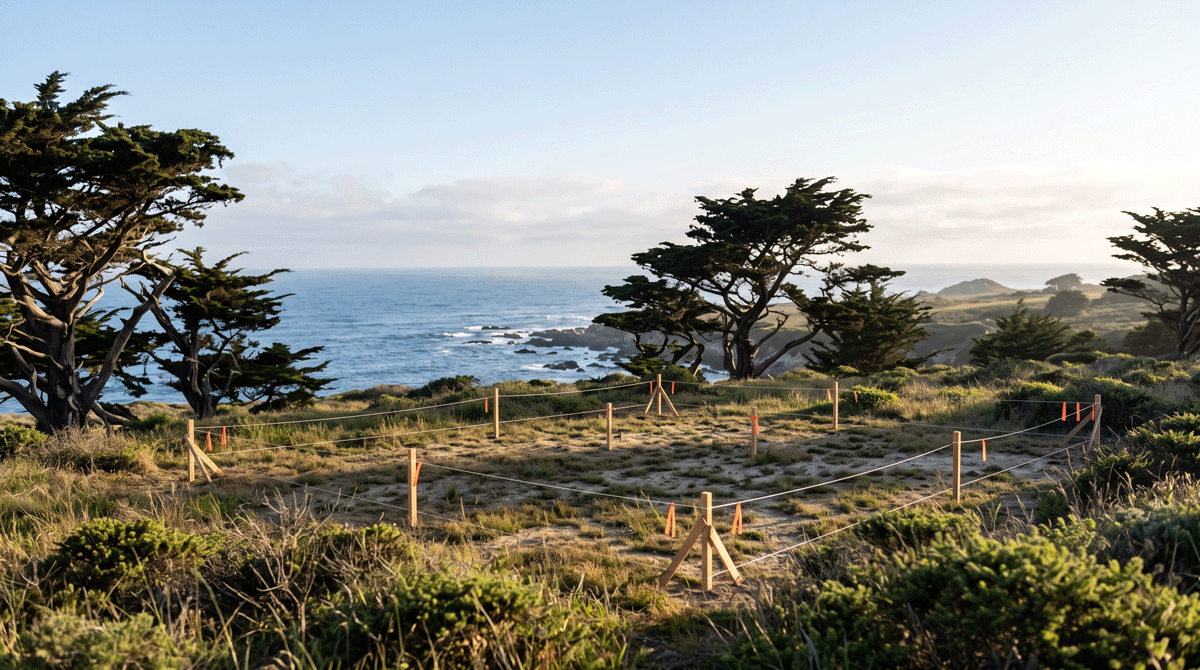
Survey information, topography, solar orientation, drainage, access, setbacks, utilities, existing vegetation, views, and neighboring properties can all shape the design.
A steep site may create opportunities for a walkout level but increase excavation complexity. A narrow access point can influence construction logistics. A strong western view may need a shading strategy. Understanding these conditions early reduces surprises later.
Set a Realistic Investment Framework
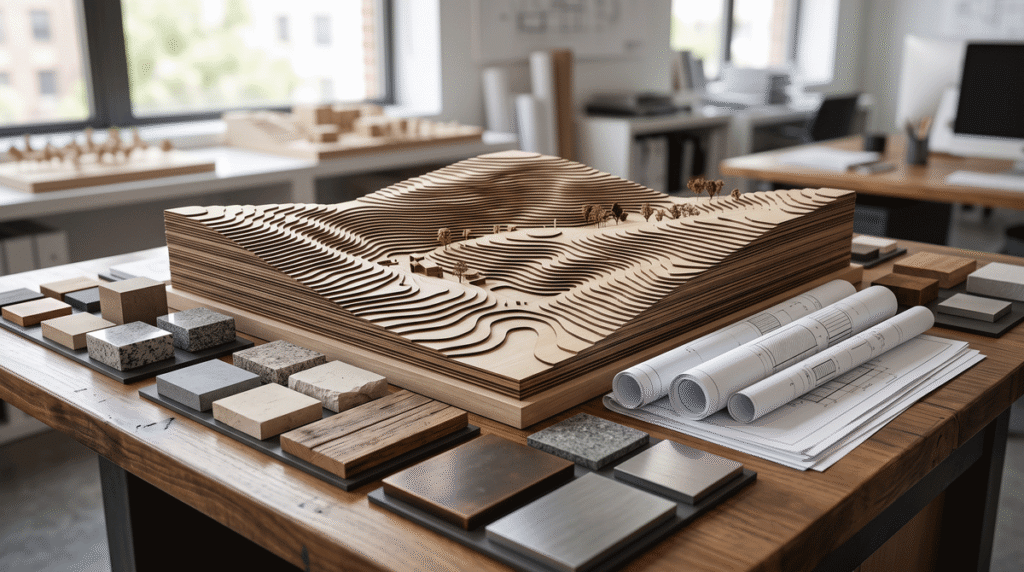
A custom home budget should account for more than the visible building. Site work, utilities, engineering, permitting, landscaping, pools, exterior structures, specialty systems, furnishings, and contingencies may all be part of the total project.
Early cost conversations allow the design to evolve within a realistic framework. The objective is not to eliminate every unknown; it is to avoid designing in a vacuum and discovering late that priorities and budget are misaligned.
Choose the Building Performance Goals
Decide early whether the home will pursue advanced energy efficiency, ICF construction, enhanced acoustic performance, resilient systems, specialized ventilation, radiant heating, or other high-performance features.
These choices can affect wall thicknesses, structural planning, mechanical rooms, window specifications, and details throughout the design. They are easier to integrate at the beginning than to retrofit into completed drawings.
Identify Long-Lead Decisions
Luxury homes often use custom windows, specialty doors, stone, cabinetry, lighting, appliances, plumbing fixtures, and imported materials with substantial lead times.
Procurement should align with the construction schedule. Waiting too long to finalize a product can delay installation or force a substitution, and the calendar matters too, as our look at why summer timing affects a Monterey County custom build explains. Skyview’s design services include procurement support for finishes, furnishings, fixtures, and equipment, helping connect selections to the larger project timeline.
Coordinate the Consultants
Structural engineering, civil work, landscape architecture, mechanical design, lighting, pools, audiovisual systems, security, and other specialties may all touch the architecture.
Preconstruction is when you identify those interfaces. A ceiling cannot simultaneously accommodate a structural beam, ductwork, recessed lighting, speakers, shades, and a desired reveal unless the systems are coordinated.
Develop the Details That Define the Design
In highly customized luxury homes, important details often include window returns, baseboards, door jambs, cabinet reveals, stair connections, floor transitions, shower glass, lighting recesses, and exterior material joints.
Resolving representative details before construction gives trades a clearer standard and allows the team to test whether the desired appearance is practical.
Make Decisions in the Right Order
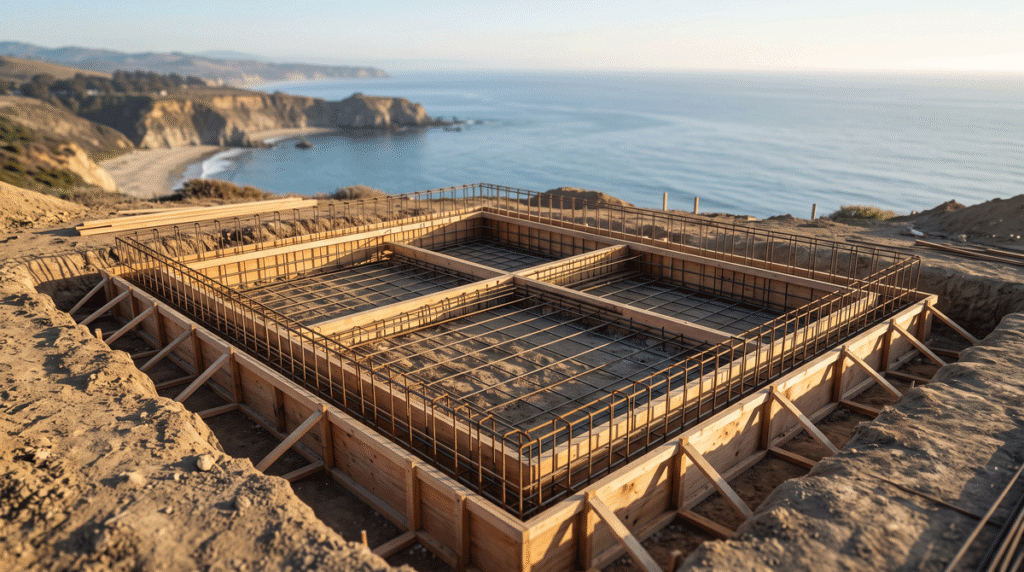
Not every finish needs to be selected before construction starts, but the sequence matters. Structural decisions come before decorative ones. Concealed rough-ins must be known before walls close. Coordinate slab penetrations before pouring concrete.
A decision schedule can help homeowners understand what is needed when and prevent late selections from becoming urgent jobsite problems.
Plan for Communication
Agree on how you’ll communicate progress, decisions, costs, and changes. High-end construction involves many moving pieces, so a transparent process is essential.
Homeowners should know who their primary contacts are, how approvals are documented, how changes affect cost and schedule, and how often the team will provide updates.
Start With an Integrated Team
Preconstruction is not a delay before the real work. It is part of the real work. A well-planned project gives the construction team clearer information and gives the homeowner more opportunities to make thoughtful decisions rather than rushed ones.
If you are considering a custom home in the Monterey Peninsula or surrounding Central Coast communities, Skyview Builders’ design and construction services can guide the process from initial concept through a turnkey residence.
Frequently Asked Questions
Why is preconstruction planning so important for a custom home?
Because most decisions that determine whether a project runs smoothly happen before the jobsite is active, preconstruction aligns the site, architecture, engineering, budget, performance goals, selections, and schedule into one coordinated plan. As a result, the construction team works from clear information, and you make thoughtful decisions instead of rushed ones.
What should I decide before construction starts?
Define your priorities and separate must-haves from preferences, study the property, set a realistic investment framework, choose your building-performance goals, and identify long-lead selections. You do not need every finish chosen, but structural and concealed decisions rough-ins, slab penetrations, and performance features must be settled before they are built around.
How early should I set the budget?
Early, and as a complete project framework rather than just the building cost. Include site work, utilities, engineering, permitting, landscaping, pools, specialty systems, furnishings, and contingencies. Early cost conversations let the design evolve within a realistic range, rather than discovering late that priorities and budget are misaligned.
What counts as a long-lead item in a luxury home?
Custom windows, specialty doors, stone, cabinetry, lighting, appliances, plumbing fixtures, and imported materials often carry substantial lead times. Connect these to the construction schedule early, because finalizing them too late can delay installation or force a substitution; that’s one reason procurement support is part of a strong preconstruction process.