Why the Delivery Method Matters
A custom home is a collection of thousands of connected decisions. Architecture affects structure. Structure affects mechanical systems. Window selections affect energy performance. Finish choices affect budgets, lead times, and installation details. When separate teams handle those decisions with limited coordination, even an excellent design can become difficult to execute.
That is why the project delivery method matters. Skyview Builders operates as a full-service design-build company serving high-end custom residences and estates in Monterey, Carmel, Pebble Beach, and Pacific Grove. By bringing design and construction together, the team can consider aesthetics, performance, constructability, and cost as parts of one project rather than separate conversations.
What Is the Traditional Design-Bid-Build Model?
In a traditional model, a homeowner typically hires an architect first. The design is developed, drawings are produced, and builders are later invited to price the project. This approach can work well, but it creates a handoff between the people who designed the home and the people responsible for building it.
If the completed design is more expensive than expected, the project may require value engineering or redesign. If a construction detail is difficult to execute, it may not become apparent until bidding or even construction.
How Design-Build Changes the Process
Design-build places design and construction under a coordinated team. The builder can contribute construction knowledge while the design is still evolving, and designers can stay involved as the work moves into the field.
For a high-end home, this creates opportunities to discuss budget, sequencing, materials, engineering, sustainability, and performance before drawings are locked in. It can also help homeowners understand the practical impact of decisions earlier.
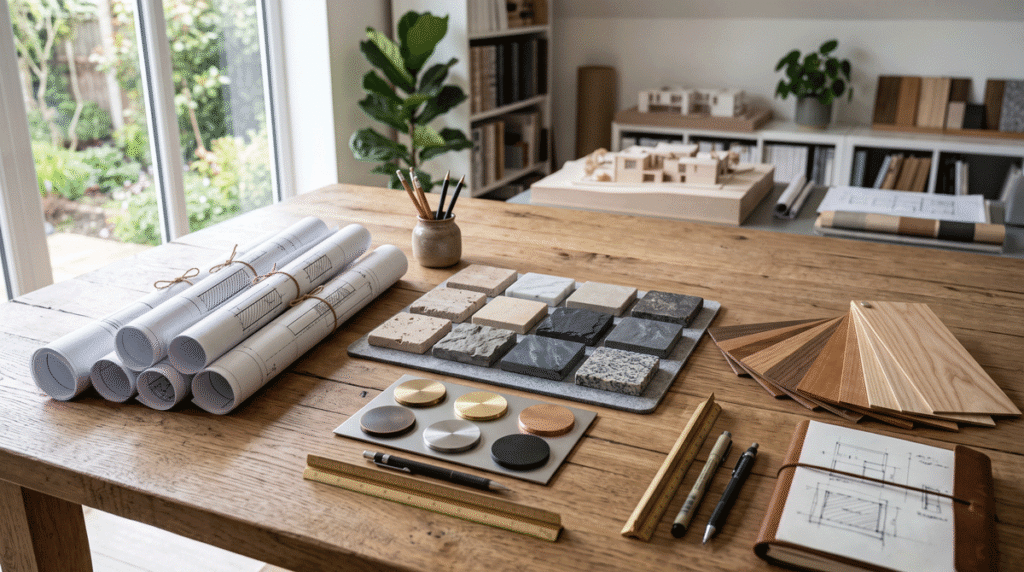
Earlier Constructability Input
Complex luxury homes often include large glass openings, concealed details, custom millwork, integrated lighting, specialty finishes, advanced mechanical systems, and demanding structural conditions. Early construction input helps the design team understand how these elements will come together.
Better Alignment Between Performance and Aesthetics
A high-performance home should not look like a technical exercise. The building envelope, insulation strategy, windows, HVAC, and structural systems should support the architecture rather than fight it. Skyview’s in-house approach is particularly relevant when ICF construction or other high-performance systems are being considered.
More Informed Budget Conversations
Cost certainty is never absolute in custom construction, but early pricing feedback helps the team make informed decisions. Instead of discovering late that a major design direction has significant cost implications, the homeowner can compare options while changes are still easier to make.
Why Design-Build Works Well for Distinctive Luxury Homes
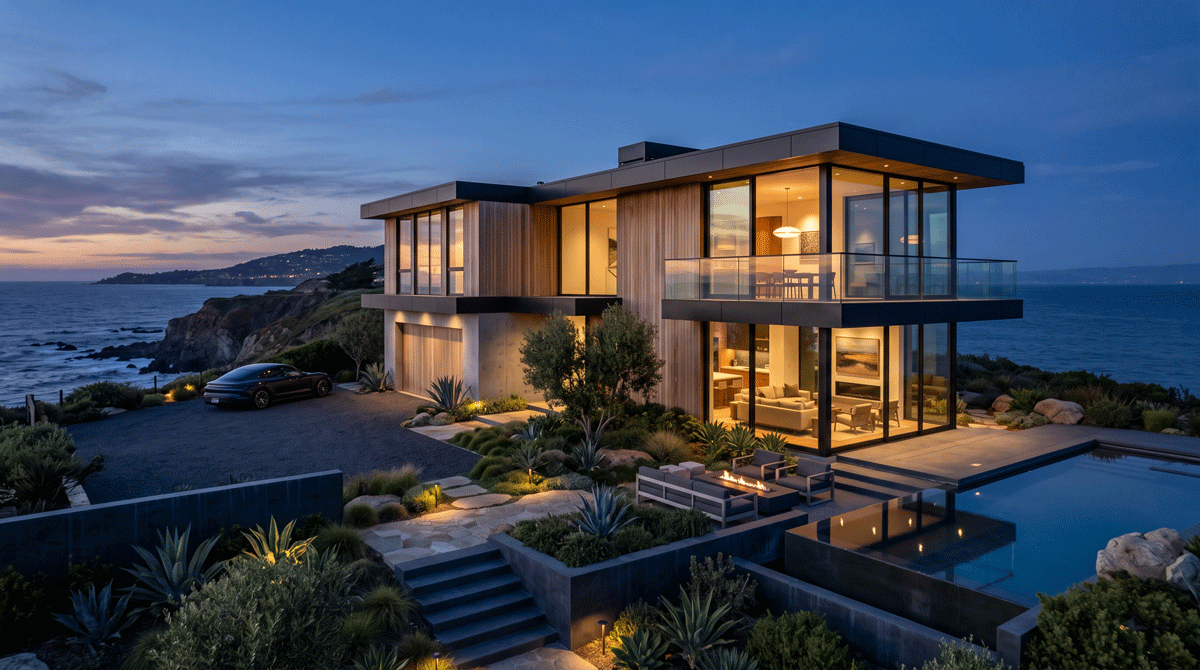
Distinctive custom homes can appear effortless, but refined architecture is often technically demanding. Long sightlines expose imperfections. Minimal trim leaves less room to hide tolerances. Large openings require careful structural and waterproofing details. Flush transitions and concealed systems demand coordination.
A design-build team can treat those details as both design and construction problems. That integration helps preserve the intended visual simplicity while addressing what must happen behind the finished surfaces.
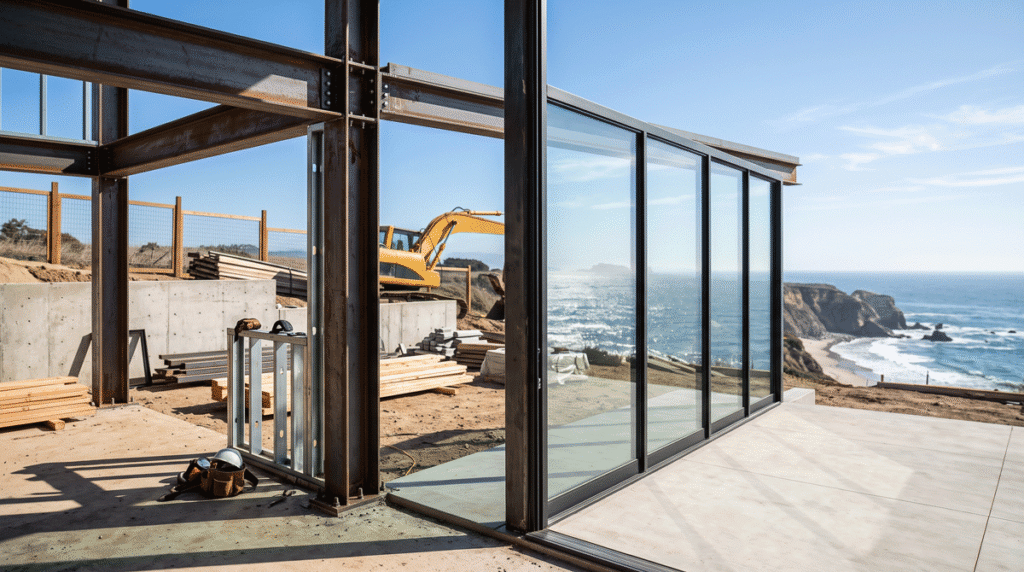
The Homeowner Still Needs to Be Involved
Design-build does not mean the homeowner gives up control. A strong process should clarify decisions. Homeowners should understand the major milestones, allowances, material choices, schedule considerations, and cost implications as the project develops.
Skyview Builders emphasizes a transparent process, guiding clients from early ideas through decisions, timelines, costs, and ultimately a turnkey home.
When Should You Bring in a Design-Build Team?
Ideally, before you finalize major design decisions, early involvement gives the team more ability to evaluate the site, establish priorities, discuss performance goals, review ICF or conventional construction options, and align the scope with the investment level.
Starting early is especially useful when a project involves challenging terrain, extensive glazing, indoor-outdoor living, high-performance targets, custom interiors, or technically demanding architecture. Timing matters too; our look at why summer timing can shape a Monterey County custom build shows how the season affects the schedule.
Questions to Ask a Design-Build Firm
Ask who is responsible for architecture and interior design, how construction input is incorporated during design, how budgets are tracked, how changes are documented, how long-lead materials are identified, and how the team manages communication during construction.
A Better Path From Idea to Turnkey Home
Design-build isn’t simply about convenience. It is coordination. When the same team is accountable for translating an idea into a buildable, high-performing home, decisions can be evaluated in context.
For homeowners planning a distinctive residence in Monterey, Carmel, Pebble Beach, and Pacific Grove, explore Skyview Builders’ design and construction services to see how an integrated team can carry a project from concept through completion.
Frequently Asked Questions
What is the difference between design-build and design-bid-build?
In the traditional design-bid-build model, you hire an architect first, complete the design, then invite builders to bid, creating a handoff between the designers and the builder. Design-build puts design and construction under one accountable team, so construction knowledge informs the design as it develops, and the designers stay involved through the field work.
Is design-build more expensive than hiring an architect and builder separately?
Not inherently. Design-build often improves cost control because pricing feedback happens while the design is still flexible, reducing late value-engineering or redesign. Cost certainty is never absolute in custom work, but evaluating budget, materials, and constructability together tends to prevent expensive surprises.
Do I lose design control with design-build?
No. A good design-build process should clarify your decisions, not remove them. You still guide the architecture, finishes, and major choices; you get earlier, better-coordinated information about how each decision affects cost, schedule, and constructability.
When should I bring in a design-build team?
As early as possible, ideally before major design decisions are fixed. Early involvement lets the team evaluate the site, set priorities, weigh construction options such as ICF, and align the scope with your budget. It is especially valuable for challenging terrain, extensive glazing, indoor-outdoor living, or technically demanding architecture.