Sustainability Is a Design Strategy, Not a Feature List
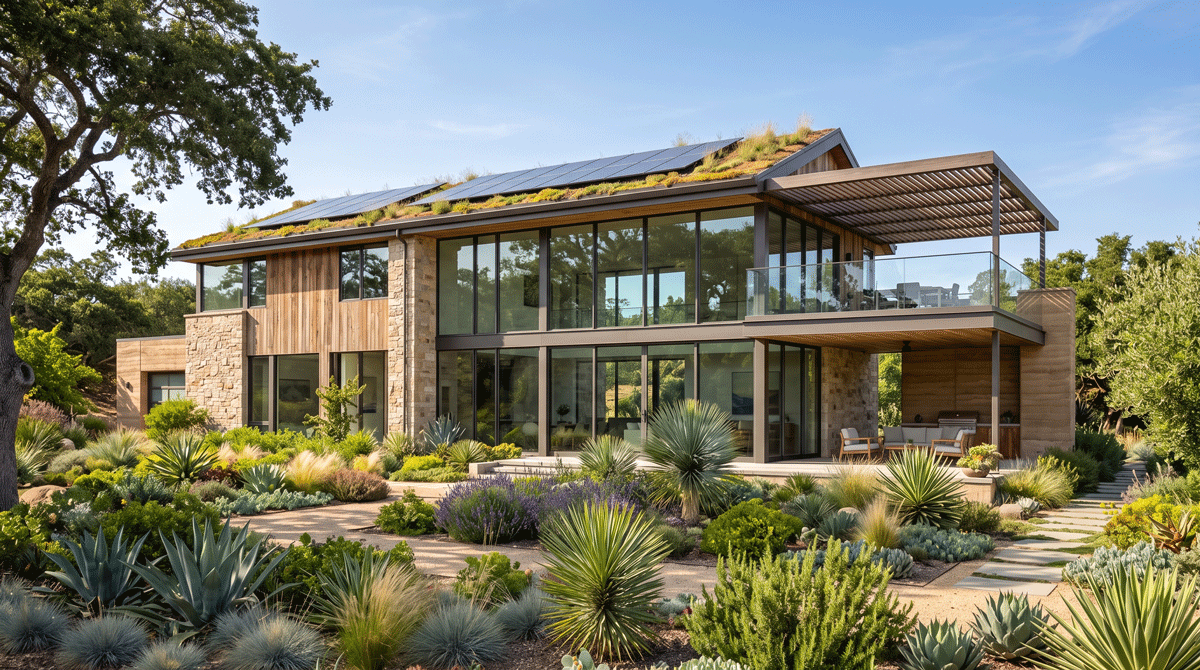
Solar panels, efficient appliances, and smart thermostats can all support a sustainable home. But lasting performance begins much earlier with the site plan, building shape, envelope, materials, mechanical design, and construction quality.
Skyview Builders describes sustainability as a core part of its construction approach, combining it with high performance and luxury. For a custom residence, the goal is not to add visible green features for their own sake. Instead, it aims to create a home that uses resources thoughtfully, performs efficiently, stays comfortable, and is built to last.
Reduce Energy Demand First
Before selecting equipment to produce or manage energy, reduce how much energy the home needs. A strong building envelope can lower heating and cooling loads by limiting uncontrolled air leakage and heat transfer.
Wall assemblies, roof insulation, foundation details, windows, doors, and air-sealing transitions all contribute. Skyview’s ICF expertise is especially relevant because ICF combines reinforced concrete with continuous insulation to create a tight, substantial wall system.
Use Orientation and Daylight Intentionally
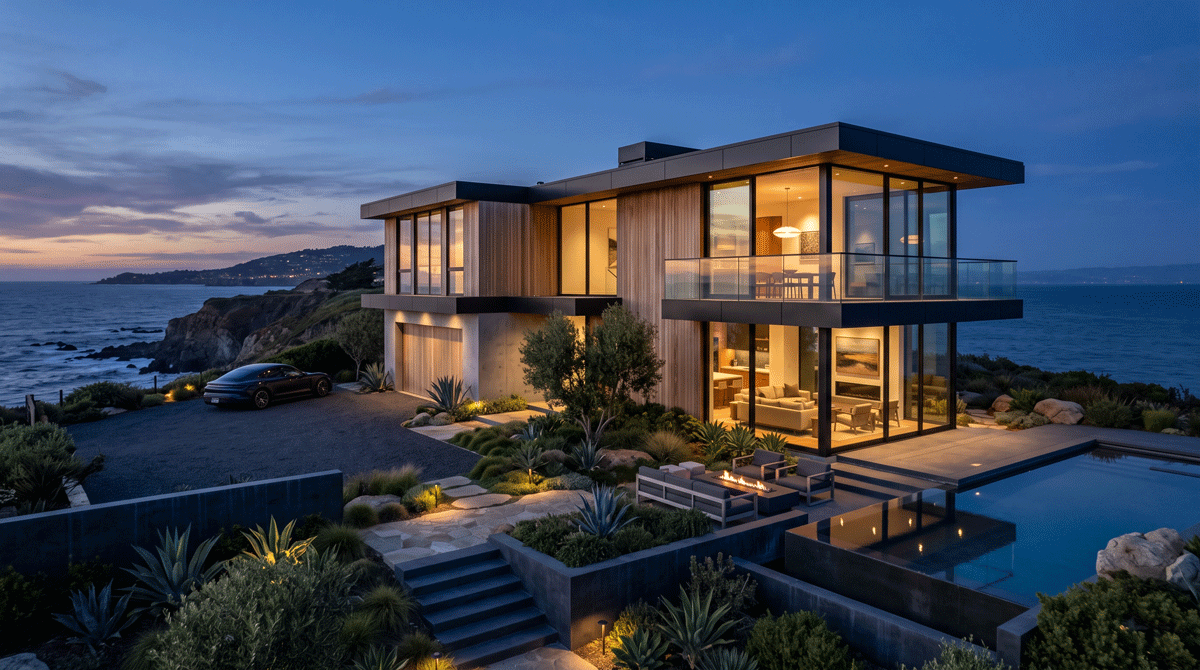
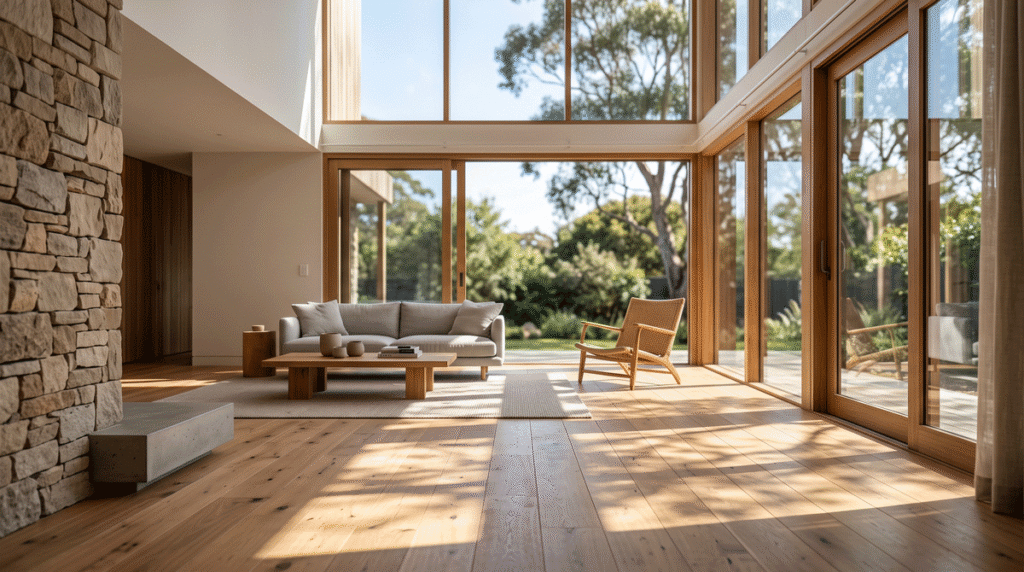
A home’s position on its site influences daylight, views, solar heat gain, and outdoor comfort. Window placement should respond to orientation rather than follow symmetry.
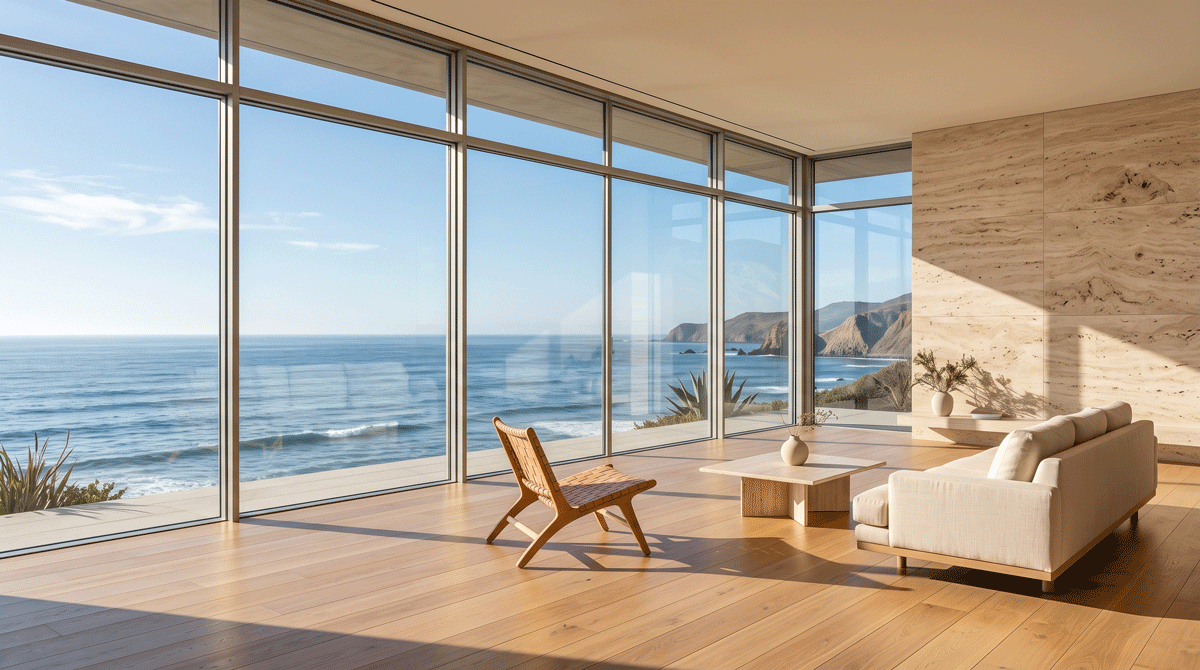
Well-planned daylight can reduce reliance on artificial lighting during the day and improve the experience of interior spaces. Shading and glazing specifications can help prevent too much solar heat when it is not wanted.
Choose Efficient Mechanical Systems After the Envelope
Size heating and cooling equipment around the house’s actual performance. A high-performance envelope may allow smaller loads than a conventional rule-of-thumb calculation would suggest.
Ventilation is also important in a tighter home. Fresh-air strategies, filtration, humidity control, zoning, and controls should be coordinated with the architecture and expected occupancy.
Build for Durability
A home that needs major components replaced prematurely consumes additional materials, labor, and energy. Durable construction can therefore support sustainability.
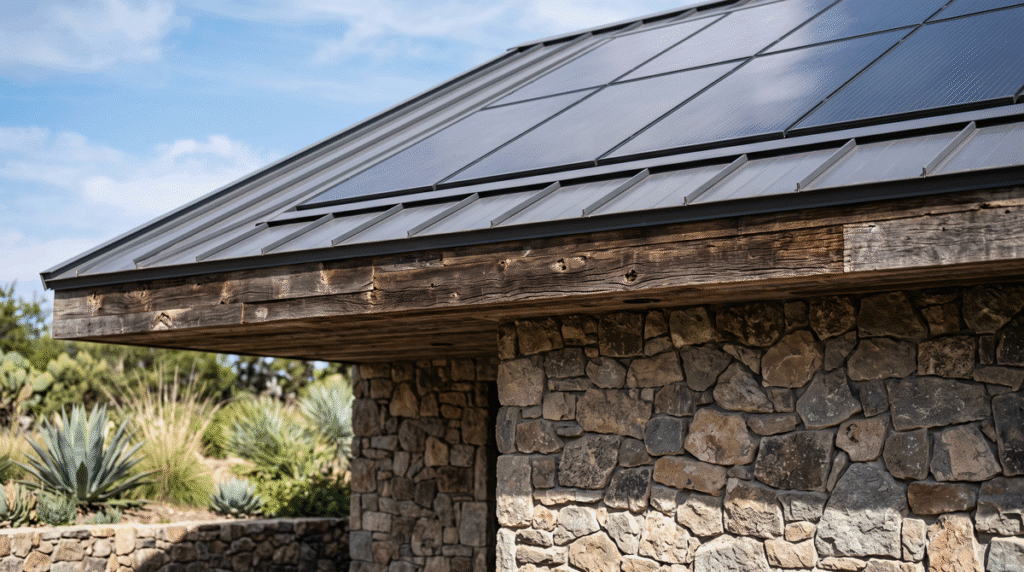
Water management is central. Roof drainage, flashing, waterproofing, exterior cladding details, grading, and foundation systems should work together to keep assemblies dry. Material selection should consider service life and maintenance, not only initial appearance.
Consider Embodied and Operational Impacts
Operational energy is the energy a home uses over time. Embodied impacts relate to producing, transporting, and installing materials. These priorities can sometimes compete, so sustainable design benefits from a whole-project view.
A durable material with a long service life may be preferable to a product that appears environmentally friendly but requires frequent replacement. Likewise, a high-performance assembly can justify its initial material investment through decades of reduced energy demand and improved resilience.
Avoid Oversizing for the Sake of Luxury
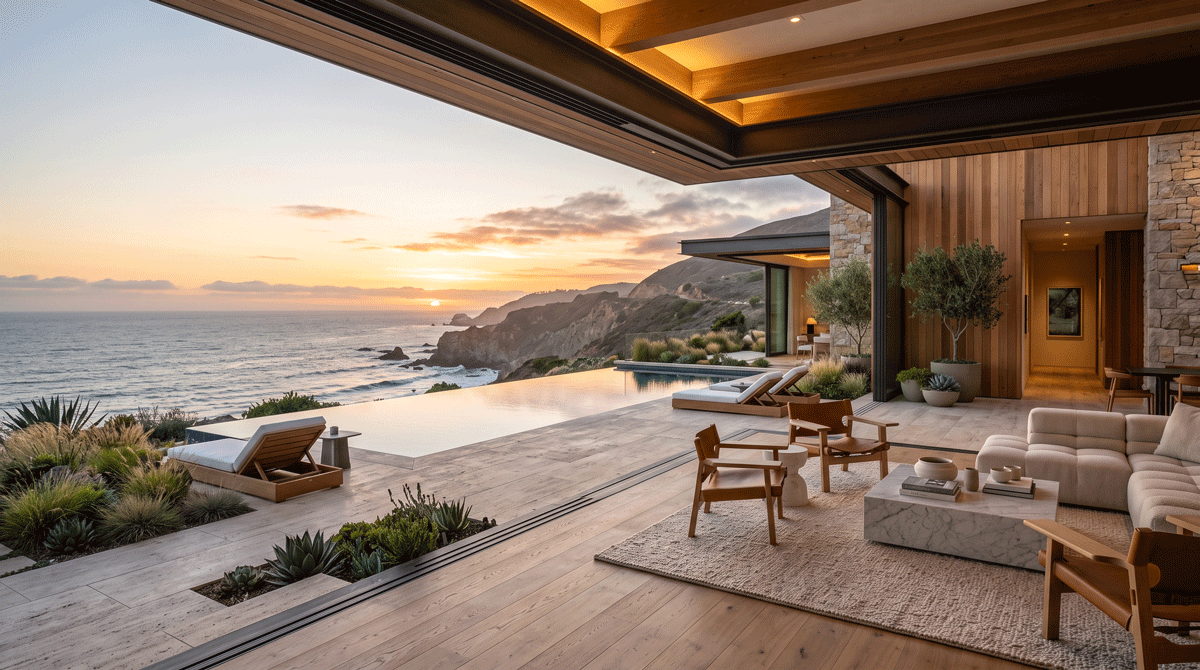
Luxury is not synonymous with unused square footage. A carefully planned home can feel expansive because of ceiling heights, daylight, sightlines, views, storage, and circulation rather than simply adding rooms.
Designing around how the family actually lives can reduce unnecessary conditioned area while still delivering a generous experience.
Integrate Smart Controls Where They Add Value
Automation can help manage lighting, shades, HVAC zones, and energy use, but technology should support the building rather than compensate for weak fundamentals. The most sophisticated controls cannot fix poor insulation, uncontrolled air leakage, or badly oriented glass.
Start with passive and envelope strategies, then layer technology where it improves comfort and usability.
Sustainability and Luxury Can Reinforce Each Other
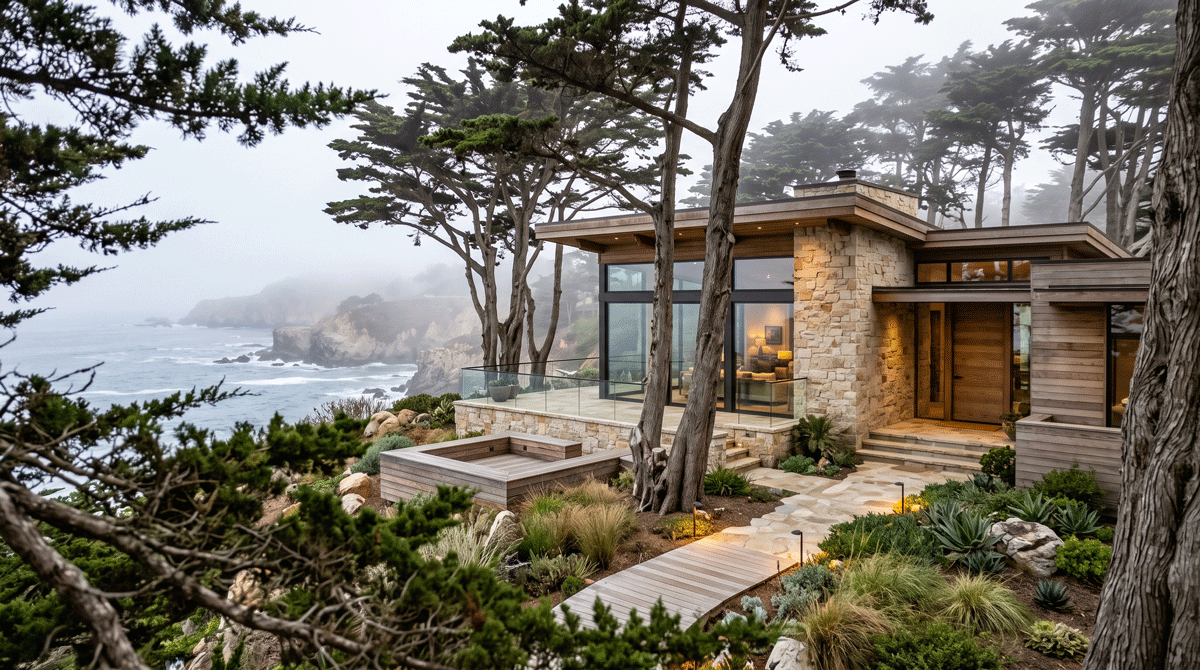
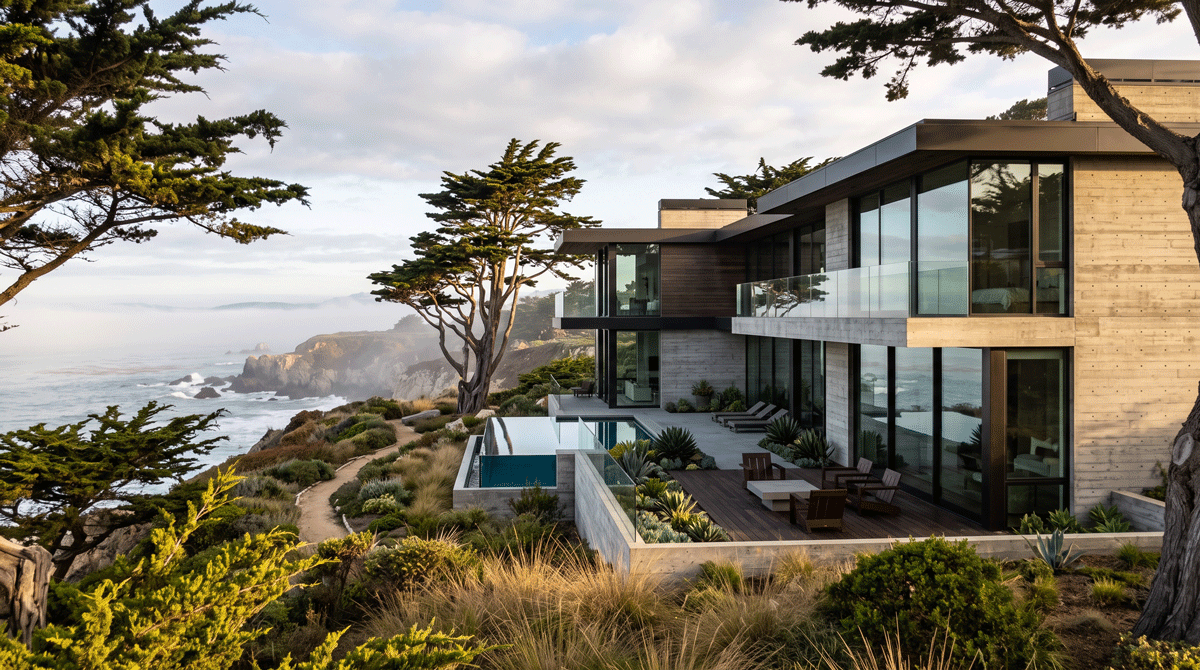
Many sustainable strategies also improve the qualities associated with a premium home: quieter interiors, stable temperatures, fewer drafts, better daylight, durable materials, and thoughtful connections to the landscape.
That is why performance should be part of the architectural brief from the start, not an engineering add-on.
Ask Better Questions During Design
Homeowners can ask: How is the envelope being detailed? What are the major thermal bridges? How will water be managed? How are windows selected for orientation? How is HVAC sizing determined? What materials require significant maintenance? Which systems have the greatest long-term impact?
These questions encourage the team to think beyond products and focus on the home as a complete system.
Build for the Next Several Decades
A sustainable custom home should remain relevant, comfortable, and durable long after current design trends change. Skyview Builders’ integrated design, construction, and ICF services let us consider sustainability goals alongside aesthetics and constructability from the earliest stages.
Explore Skyview Builders’ construction and ICF specialist services if long-term performance is an important part of your custom home vision, or start a conversation about your goals.
Frequently Asked Questions
What makes a custom home truly sustainable?
Sustainability is a design strategy, not a checklist of green products. It starts with the site plan, building shape, envelope, materials, and mechanical design, reducing how much energy the home needs before adding equipment to supply it. A genuinely sustainable home uses resources thoughtfully, performs efficiently, stays comfortable, and is durable enough to avoid premature replacement.
Are solar panels enough to make a home sustainable?
No. Solar, efficient appliances, and smart thermostats help, but they work best on a strong foundation. If the envelope leaks air or the glass is poorly oriented, technology is compensating for weakness rather than eliminating it. Reduce demand first through the envelope and design, then layer in efficient systems and controls.
Is a sustainable custom home more expensive?
Some high-performance assemblies and durable materials cost more up front, but they often pay back through lower energy use, fewer repairs, and a longer service life. Because a durable, efficient home avoids premature replacement of major components, evaluating cost over decades, not just at move-in, usually tells a different story than first cost alone.
Does sustainable design mean building a smaller home?
Not necessarily. It means avoiding unused square footage for its own sake. A carefully planned home can feel expansive through ceiling heights, daylight, sightlines, views, and storage rather than extra rooms, so you can reduce conditioned area you don’t need while still delivering a generous, luxurious experience.