Performance Is Part of Luxury
A beautiful home can still be uncomfortable. Rooms can overheat, floors can feel cold, humidity can fluctuate, and mechanical systems can work harder than expected. High-performance design addresses those issues before they are buried behind expensive finishes.
Skyview Builders combines custom design, construction, sustainability, and ICF expertise for residences throughout Monterey, Carmel, Pebble Beach, and Pacific Grove. The result is an approach that considers performance alongside proportion, materials, views, and lifestyle.
Start With the Building Envelope
The envelope separates conditioned interior space from the outdoors. Walls, roof assemblies, foundations, windows, doors, air barriers, insulation, and transitions between them all influence comfort and energy use.
Continuous insulation and careful air sealing can reduce thermal weak points. ICF construction is one option for a robust wall assembly because it pairs reinforced concrete with insulation on both sides. Whatever system is selected, continuity matters: small gaps and poorly planned transitions can undermine otherwise excellent materials.
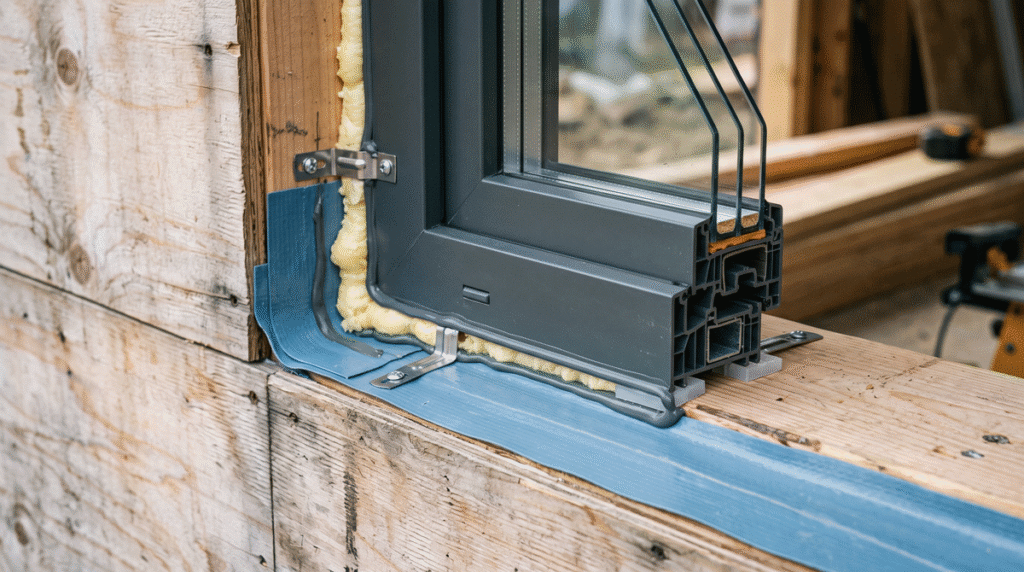
Treat Windows as a Performance System
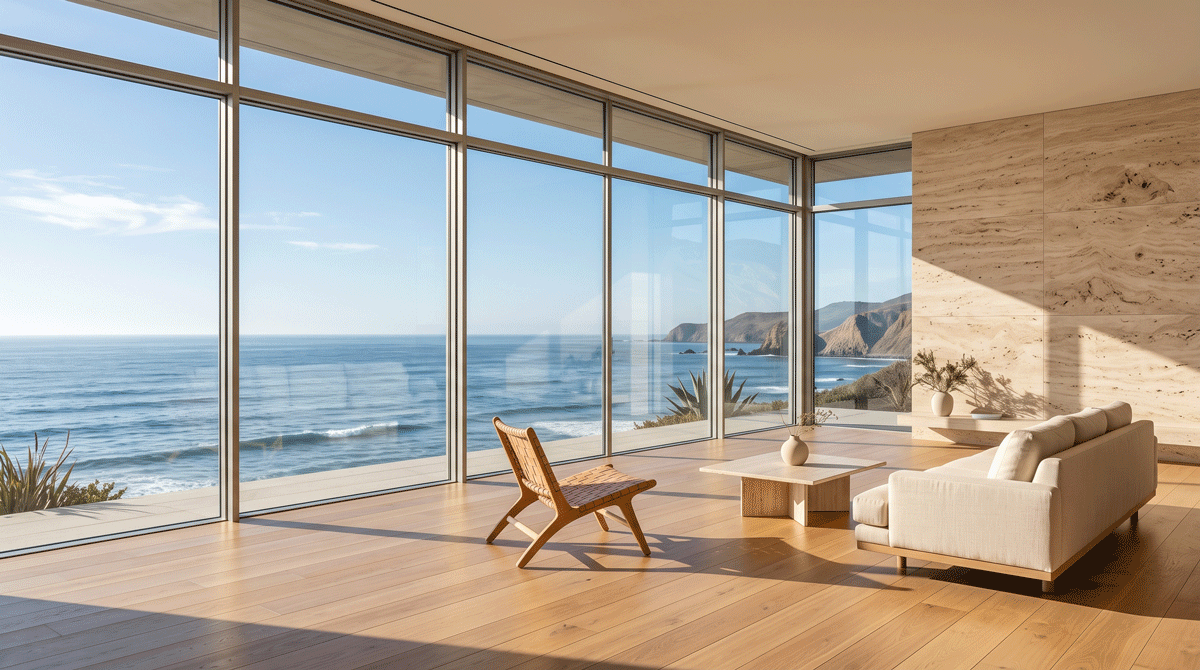
Large windows are central to many luxury homes, especially designs built around views and indoor-outdoor living. But glazing is also one of the most important parts of the envelope.
Evaluate window size, orientation, frame quality, glass specification, shading, installation, and flashing together. South- and west-facing glass may need a different solar strategy than shaded north-facing openings. The goal is to capture daylight and views while controlling heat gain, heat loss, glare, and comfort near the glass.
Right-Size the Mechanical Systems
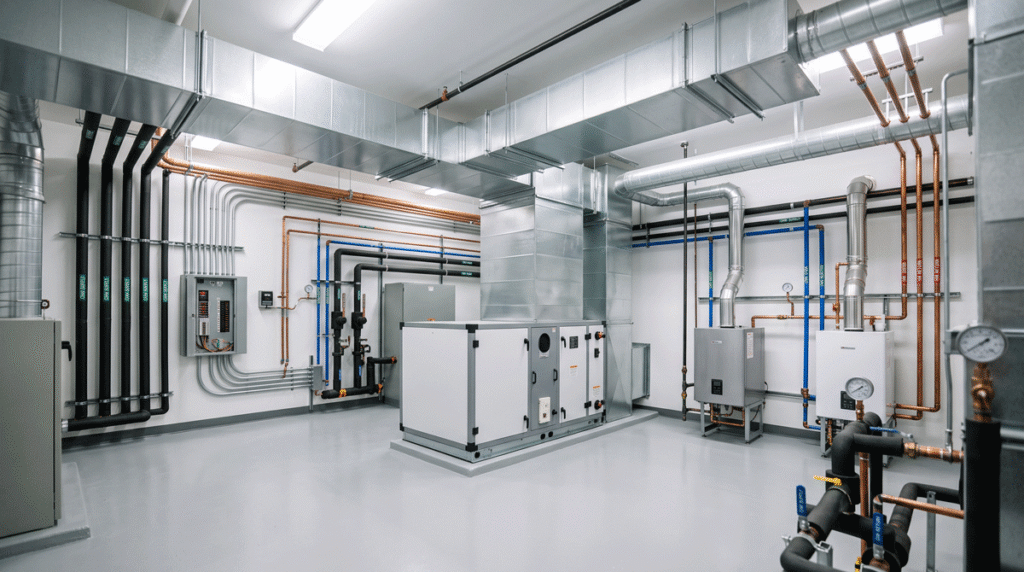
A high-performance envelope changes the heating and cooling load, so mechanical systems should be designed for the actual home rather than based on assumptions from conventional construction.
Oversized equipment may cycle too quickly, affecting comfort and humidity control. A coordinated design can also account for fresh-air ventilation, filtration, zoning, dehumidification, radiant systems, and smart controls where appropriate.
Design for Water Management
Durability depends on keeping water where it belongs. Detail roof geometry, overhangs, flashing, drainage planes, foundation waterproofing, grading, gutters, terraces, balconies, and exterior transitions as a complete water-management strategy.
This is especially important in modern architecture, where minimal details can reduce the visual clues that traditionally helped shed water. Clean lines require disciplined technical detailing.
Use Materials With a Long-Term View
Sustainability is not only about adding efficient equipment. Materials that perform well, age gracefully, and don’t require premature replacement can support a more durable home.
Homeowners should consider maintenance, sourcing, moisture resistance, repairability, and expected service life alongside appearance. High-quality construction also depends on installation: even premium materials can fail when transitions and fastening details are poorly executed.
Coordinate Performance With Architecture Early
The best time to make performance decisions is during design. Waiting until construction documents are complete can turn energy and comfort improvements into expensive add-ons.
An integrated design-build process allows structural, mechanical, envelope, and aesthetic decisions to evolve together. For example, a dramatic glass opening can be studied alongside structural support, shading, waterproofing, insulation continuity, and HVAC needs rather than treated as an isolated visual feature.
Measure Luxury by How the Home Feels
High-performance homes can offer benefits you experience every day: steadier temperatures, fewer drafts, quieter rooms, better humidity control, and reduced demand on heating and cooling systems. Those qualities may be less visible than stone or millwork, but they strongly influence the experience of living in the home.
Build the Performance Brief Before the Floor Plan Is Final
Before moving too far into design, define priorities. How important is energy efficiency? Is acoustic privacy a major concern? Are there large areas of glazing? Does the family want radiant floors, advanced filtration, or extensive smart-home controls? Is resilience a priority? Are there sustainability targets?
These answers help the design and construction team make better choices from the start.
A High-Performance Home Can Still Be Highly Personal
Performance does not require a single architectural style. Skyview shapes its work around each client’s vision, site, lifestyle, and preferred architectural character. The technical systems should support the design, not dictate a single style.
If you are planning a custom home, explore Skyview Builders’ design, construction, and ICF specialist services. Starting the performance conversation early can help create a home that looks exceptional and feels exceptional for years to come.
Frequently Asked Questions
What is a high-performance luxury home?
It is a home designed so the structure itself, not just the finishes, performs at a high level. That means steadier indoor temperatures, fewer drafts, quieter rooms, better humidity control, and lower heating and cooling demand, achieved through a well-detailed envelope, quality windows, and right-sized mechanical systems working together.
Why start with the building envelope?
Because the envelope walls, roof, foundation, windows, doors, insulation, and air barriers determine how much heating and cooling the home needs in the first place. Continuous insulation and careful air sealing reduce thermal weak points, giving the mechanical systems a much better foundation to work from. Efficient equipment can’t fully compensate for a weak shell.
Can a high-performance home still have lots of glass?
Yes. Large windows are central to many luxury designs, but glazing must be treated as part of the envelope, coordinating size, orientation, glass specification, shading, and flashing. With the right strategy, you can capture daylight and views while still controlling heat gain, heat loss, and glare.
Does high-performance design cost more?
Some elements cost more upfront, but many pay back through lower energy use, greater durability, and daily comfort. Because these choices affect wall thickness, structure, and mechanical sizing, they are far cheaper to integrate during design than to retrofit later, so deciding your performance priorities early keeps them cost-effective.