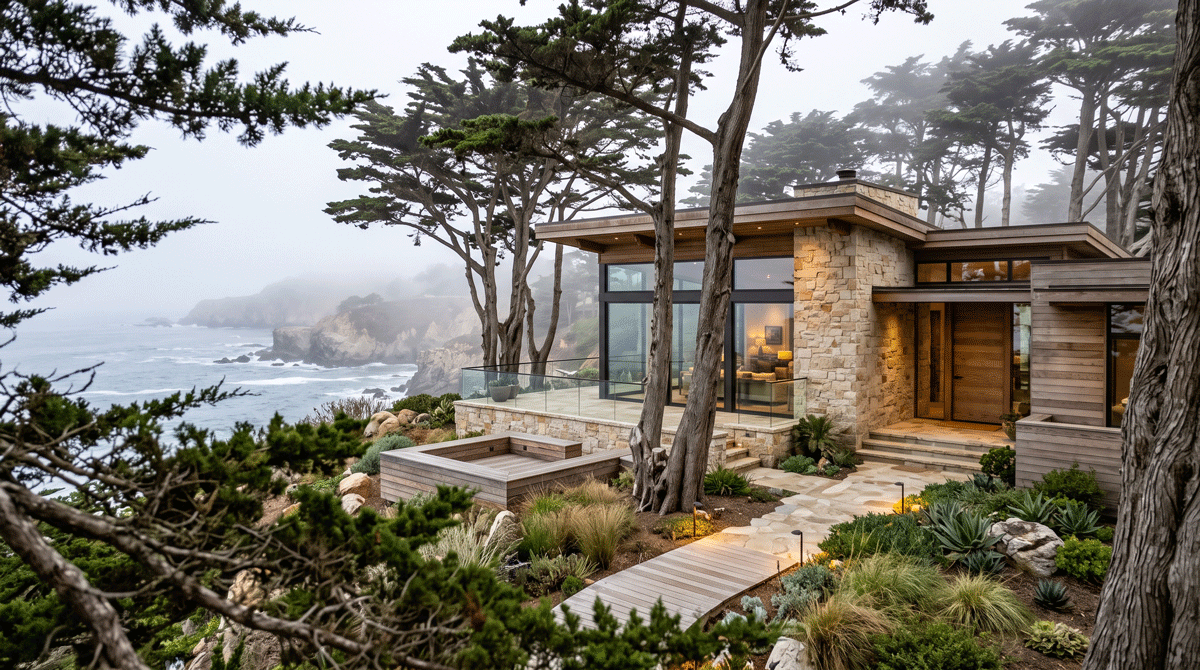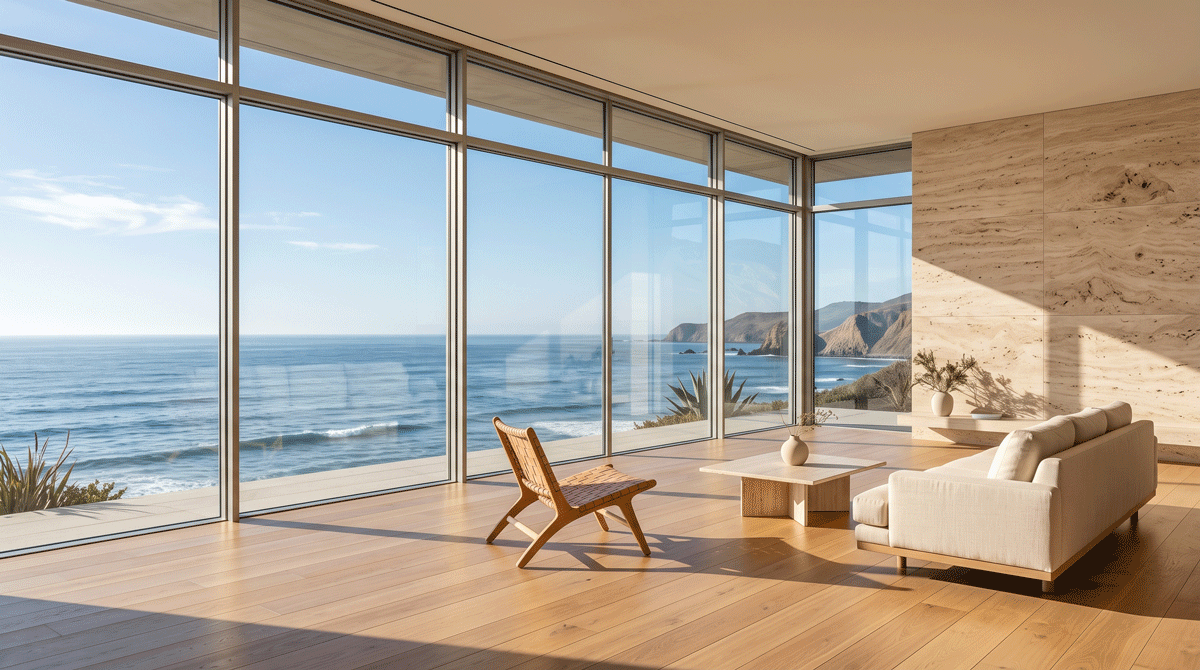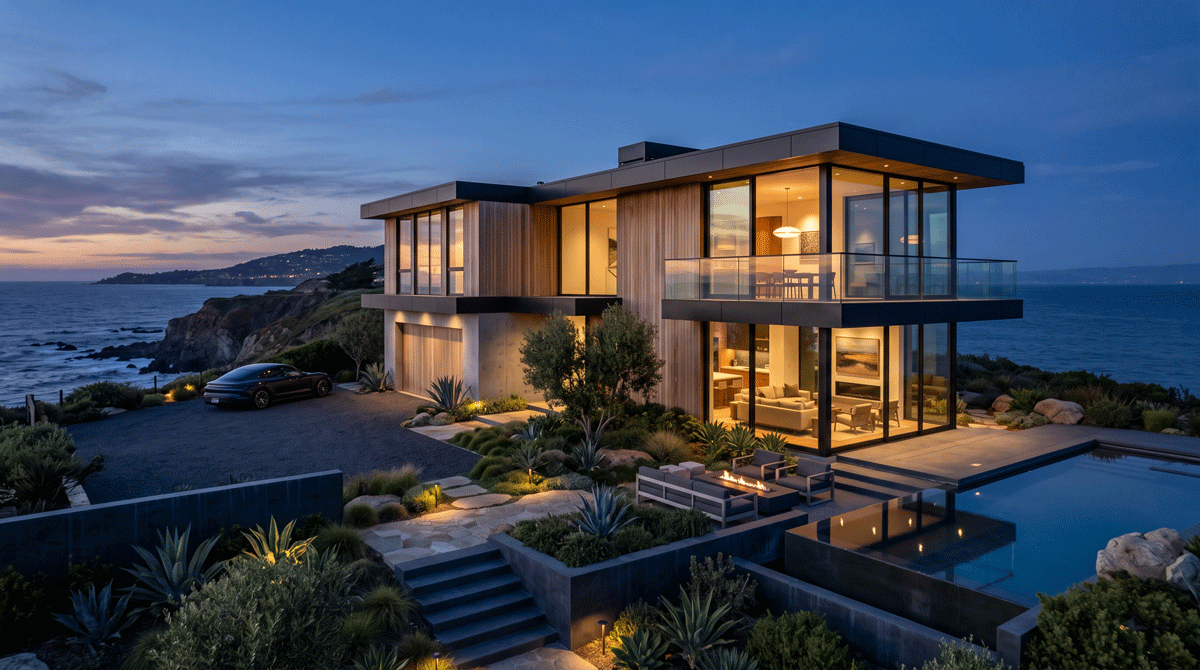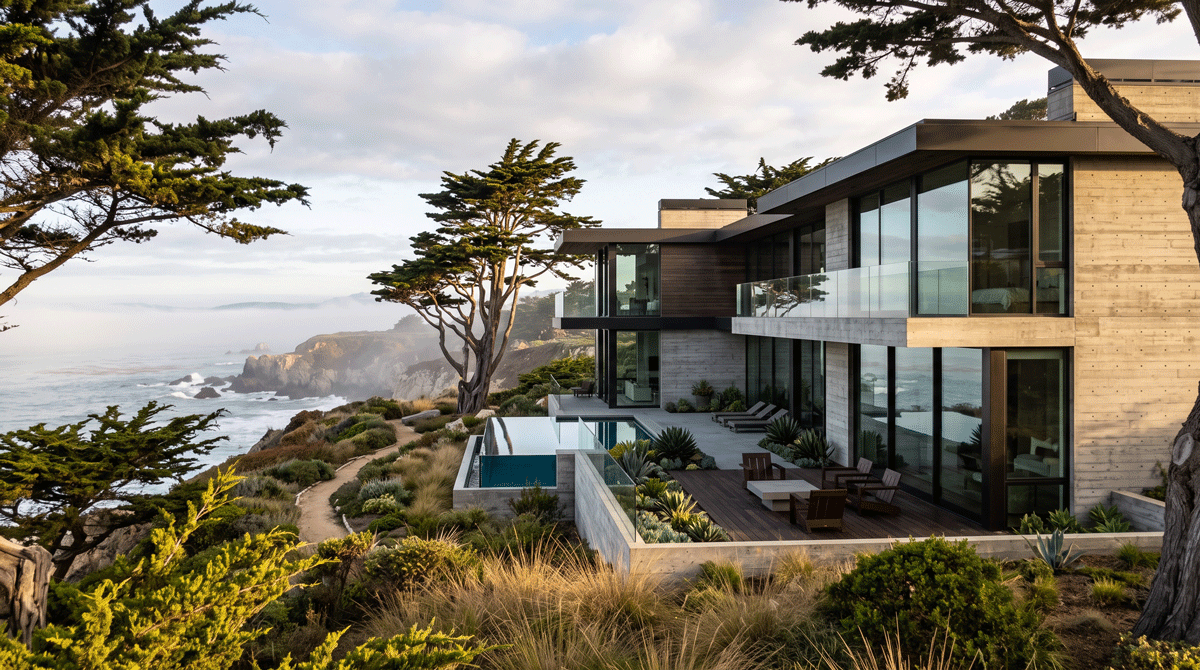
You've been planning your custom new home for months, maybe years. You've walked the lot, imagined the ocean views, sketched floor plans on napkins. Now you're asking the question that keeps you up at night: when do we actually break ground?
On the Monterey Peninsula, that answer matters more than almost anywhere else in California. Summer construction, specifically July through September, offers a narrow, high-value window for foundation work, concrete pours, and exterior framing before fall fog banks roll in and winter storms shut down critical phases. If you're building in Carmel-by-the-Sea, Pebble Beach, or Big Sur, understanding how coastal microclimates shift your construction calendar can save you months of delays and tens of thousands in weather-related costs. Skyview Builders has spent nearly 20 years timing coastal projects to match the peninsula's unique weather patterns, and Stuart can walk you through exactly how your site and scope dictate the ideal start date.
Why Summer Is the Strategic Window for Coastal Custom New Homes
The Monterey Peninsula operates on a fog calendar, not a traditional four-season calendar. July through early September delivers the longest stretch of dry, predictable weather before October fog returns and November rains begin. This 10- to 12-week window is when foundation engineers can cure concrete without moisture interference, framers can work full days without marine layer delays, and inspectors can access sites on consistent schedules.
Foundation Work Requires Stable Ground Temperatures
Concrete curing chemistry depends on stable ambient temperatures and low moisture. When you pour a foundation in July, daytime temps in Carmel-by-the-Sea hold steady between 62 and 72 degrees, with minimal overnight dew. That allows proper hydration rates and full-strength curing within the standard seven-day window. Pour the same foundation in November, and morning fog condenses on fresh concrete, surface moisture delays curing, and your schedule slides two weeks while you wait for re-testing.
Skyview Builders schedules all major foundation pours between mid-June and late August for exactly this reason. Stuart's crews coordinate with geotechnical engineers to match soil conditions, weather windows, and inspection availability into a single locked timeline.
Exterior Framing Moves Faster in Dry Conditions
Framing crews lose hours every day to moisture management once fall arrives. Tarping lumber, drying joists, protecting sheathing from overnight fog, all of it adds labor cost and slows progress. A framing phase that takes six weeks in July can stretch to nine or ten weeks if you start in October.
Matt B. experienced this firsthand during his whole-house renovation: starting the exterior phase in late summer allowed Stuart's team to frame, sheath, and dry-in the structure before the first November storm. That decision saved weeks and kept the interior trades on schedule through winter.
Permit Velocity Peaks in Early Summer
Monterey County and Carmel-by-the-Sea building departments process permits faster in May through July than in any other season. Fewer projects compete for plan check resources, and inspectors have more flexible schedules before the fall rush. If you submit architectural plans in April, you can often secure permits by late June and break ground in early July, right at the start of the optimal weather window.
Wait until August to submit, and your permits may not clear until October, forcing you to choose between starting exterior work in poor conditions or delaying until the following spring.
How Coastal Microclimates Shift Your Construction Schedule
The Monterey Peninsula is not a single climate zone. Carmel-by-the-Sea, Pebble Beach, Pacific Grove, and Big Sur each experience different fog patterns, wind exposure, and rainfall timing. Your construction calendar needs to account for the specific microclimate of your lot.
Carmel-by-the-Sea and Pebble Beach: Fog-Heavy but Predictable
Carmel-by-the-Sea and Pebble Beach sit directly in the marine layer path. Morning fog blankets both communities from May through October, but summer fog typically burns off by 11 a.m. giving crews six to seven hours of dry working conditions. Foundation work and framing remain viable through August, but by September, all-day fog becomes common and your window closes fast.
Skyview Builders schedules Carmel and Pebble Beach projects to complete all concrete and exterior framing by Labor Day. Once September hits, we shift to interior rough-ins, plumbing, electrical, HVAC, that don't depend on dry conditions.
Pacific Grove and Seaside: Extended Summer Windows
Pacific Grove and Seaside sit slightly inland from the direct marine layer, giving you an extra two to three weeks of working weather in early fall. If your project is in Pacific Grove, you can often push foundation and framing work into mid-September without significant weather risk. That flexibility matters if permits run late or if you're coordinating a phased renovation while living on-site.
Big Sur: Wind and Rain Dictate Everything
Big Sur construction follows a completely different calendar. Summer offers the only reliable window for foundation and exterior work, but afternoon winds can shut down crane operations and roofing. Winter rain arrives earlier, often by mid-October, and access roads become impassable during heavy storms. If you're building in Big Sur, your construction timeline needs to assume a six-month outdoor work window (May through October) and a winter pause for interior trades.
Stuart has managed multiple Big Sur projects and builds wind days and road closures into every schedule. The key is starting early enough in spring to complete the exterior envelope before fall.
Subcontractor Availability and Material Lead Times in Summer
Summer is peak season for every trade on the Monterey Peninsula. Framers, concrete crews, roofers, and foundation specialists are booked months in advance. If you want to break ground in July, you need to lock in your general contractor and confirm subcontractor schedules by April or May.
Concrete and Foundation Crews Book Out Fast
Foundation subcontractors are the bottleneck for almost every summer project. These crews work across Monterey County, and the best ones are scheduled through September by late spring. Skyview Builders maintains standing relationships with multiple foundation specialists, which allows us to secure summer slots even when availability is tight.
If you're working with a builder who doesn't have established trade relationships, expect to wait until fall or even the following spring for foundation crews.
Framing Crews Follow Concrete Schedules
Framers schedule their work based on foundation completion dates. If your foundation slips from July to September due to permitting delays, your framing phase slides into October and November, right into fog season. That cascade effect is why starting on time in summer is so critical.
Stuart coordinates foundation and framing schedules as a single unit. Once your foundation pour date is locked, we reserve framing crews for the week your slab cures, ensuring no gaps between phases.
Material Lead Times Shorten in Early Summer
Lumber, engineered beams, windows, and exterior doors all ship faster in June and July than in fall or winter. Supply chains stabilize after spring, and manufacturers have more inventory on hand. If you're ordering custom windows or specialty millwork, placing orders in early summer can cut lead times from 12 weeks to eight.
Skyview Builders front-loads material orders for every summer project. We place window and door orders the day permits clear, ensuring everything arrives before framing completes.
Living Through Construction: Summer Makes It Easier
If you're renovating an existing home rather than building new, summer construction reduces disruption in tangible ways. Longer daylight hours mean crews start earlier and finish later, compressing timelines. Dry weather means less mud, less dust infiltration, and easier access for material deliveries. And if you need to move out temporarily, summer rentals in Carmel Valley or Seaside are easier to find than winter options.
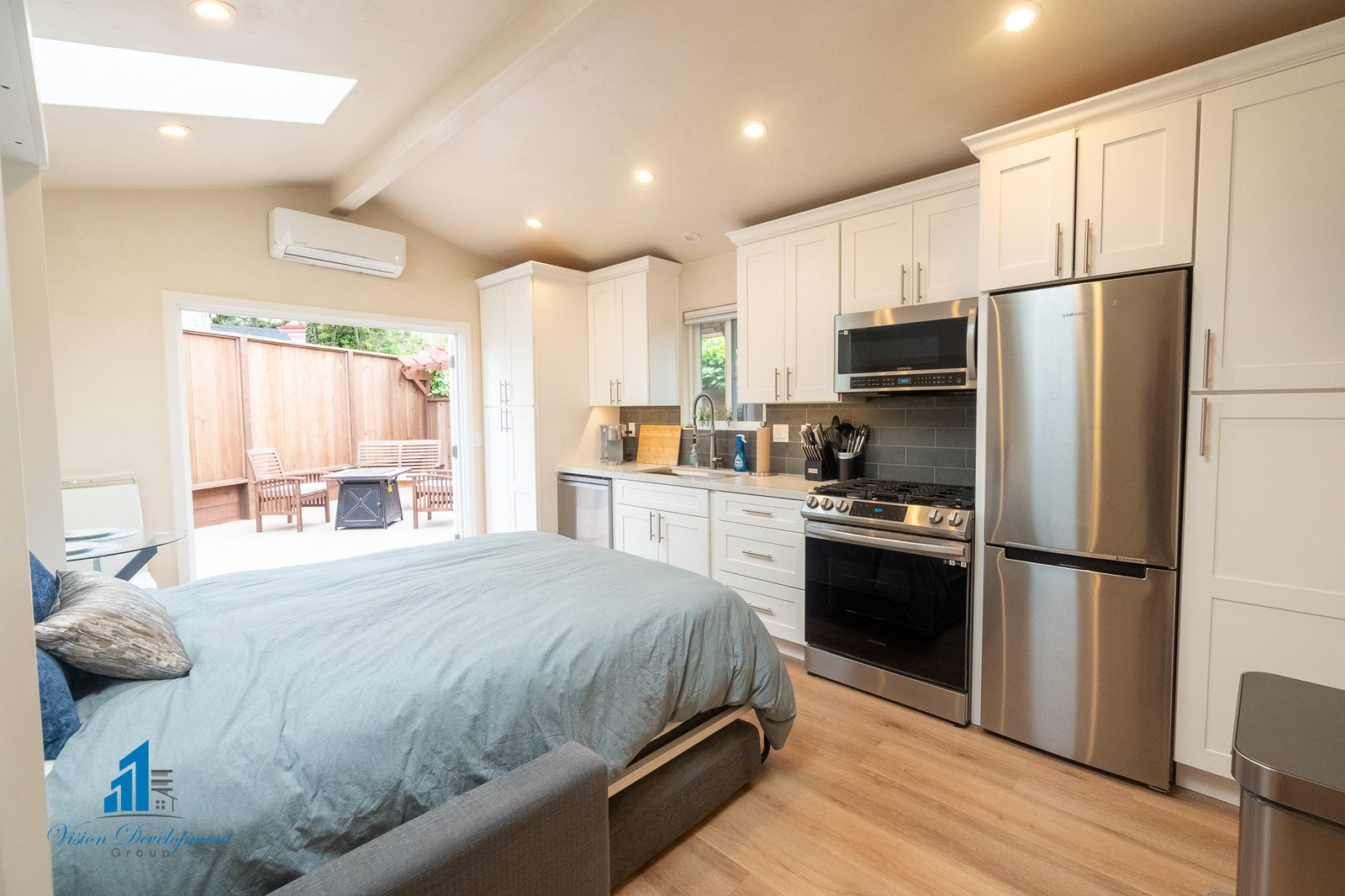
Debbie S. appreciated this during her ADU and backyard remodel: starting in early summer allowed Stuart's team to complete exterior work before school started in fall, and the dry conditions kept dust and debris manageable.
One of the most common objections we hear is, "How do we live through the construction dust?" Summer makes that easier. Open windows don't invite rain, outdoor spaces remain usable, and temporary living arrangements are less disruptive when weather cooperates.
Should You Start Now or Wait Until Next Spring?
If it's currently July and you haven't started permitting, you've likely missed this year's summer window for breaking ground. But that doesn't mean you should wait until next July. Use fall and winter to finalize design, lock in selections, secure permits, and schedule subcontractors for the following spring. Projects that break ground in April or May can complete foundations and framing by August, positioning you perfectly for interior trades through fall and winter.
If it's currently January or February, you're in the ideal planning window. Architectural plans submitted in early spring can clear permits by June, and you'll have first pick of summer subcontractor schedules.
Skyview Builders walks every client through a project-specific timeline during the initial consultation. Stuart reviews your site, permitting status, and scope to recommend the optimal start month based on your goals and the realities of coastal construction timing. We've built custom new homes across Carmel-by-the-Sea, Pebble Beach, and Big Sur for nearly 20 years, and every project starts with a calendar that accounts for fog, rain, permits, and trade availability.
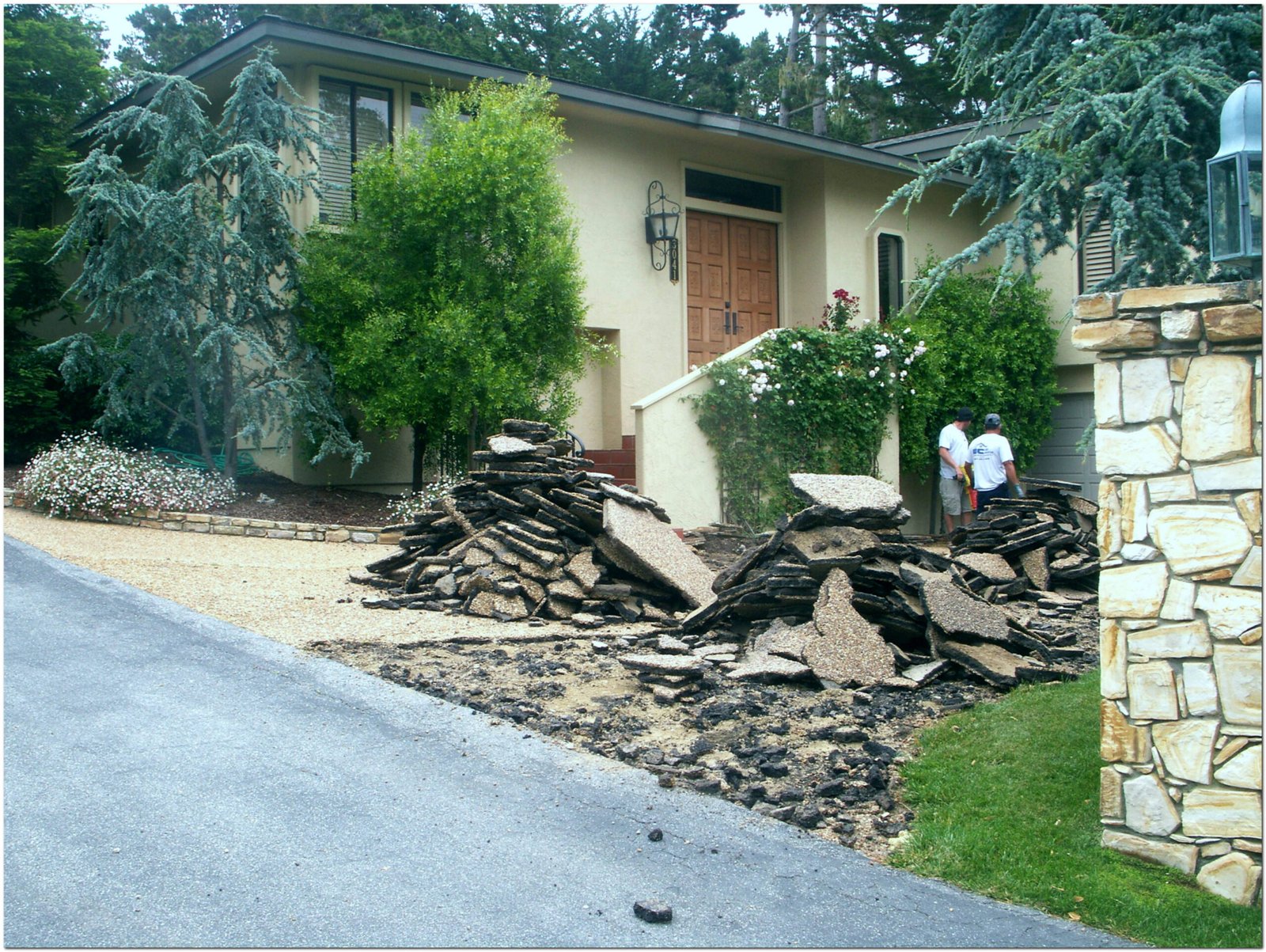
If you're planning a custom home or adding an ADUs (accessory dwelling units), the same seasonal logic applies. Exterior demolition, foundation work, and framing all benefit from summer's dry, predictable conditions. Interior phases, plumbing, electrical, drywall, finishes, can happen year-round, so the key is timing your start date to maximize the summer window for outdoor work.
Frequently Asked Questions

What happens if we break ground in October instead of July?
You'll face longer timelines, higher labor costs, and weather delays. Foundation curing takes longer in cool, damp conditions, framing crews lose hours to fog and moisture management, and inspections get delayed by rain. Most fall starts add four to eight weeks to the overall schedule compared to summer starts. Stuart can walk you through the specific impact for your project during a consultation.
Can we start a custom home in winter and still finish on time?
You can, but it requires careful phase planning. Interior-focused projects, like remodels & renovations that don't involve foundation or exterior work, run smoothly through winter. But new construction or additions that require exterior framing in December through March will face delays. According to building code requirements, certain inspections cannot proceed in wet conditions, which further extends winter timelines.
How far in advance should we book Skyview Builders for a summer start?
Ideally, six to nine months before your target groundbreaking date. That gives you time to finalize design, complete permitting, and secure subcontractor schedules. If you want to break ground in July 2027, reach out to Stuart by January 2027 at the latest. For foundation raising projects, which require specialized engineering and permits, add an extra two to three months to that timeline.
Does summer construction cost more than winter construction?
Not necessarily. While summer demand is higher, the efficiency gains from dry weather and longer days often offset any premium in labor rates. You'll avoid weather-related delays, moisture damage to materials, and the added labor cost of tarping and drying. The total project cost typically ends up lower when you build in summer, even if hourly rates are slightly higher.
If you're ready to lock in a timeline for your custom new home, whole-house renovation, or ADU, schedule a project timeline consultation with Stuart. Skyview Builders will walk you through your site's microclimate, permitting timeline, and subcontractor availability to identify the optimal start month for your project. You can reach us at 831-620-1905 or visit our Contact page to book your consultation.