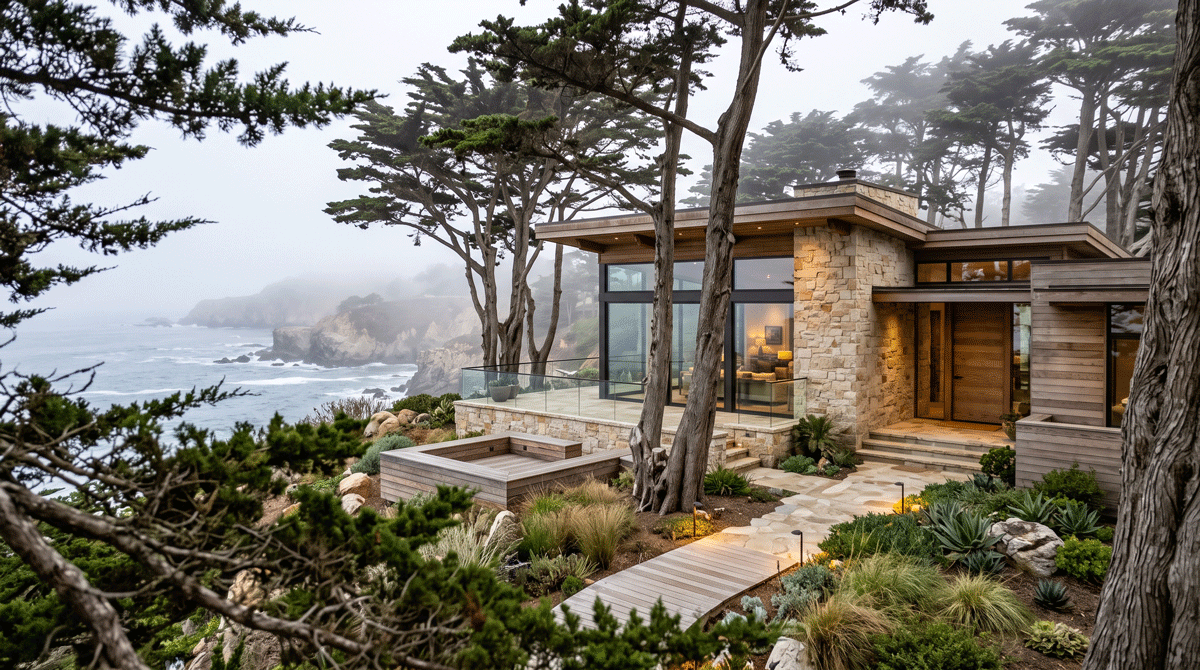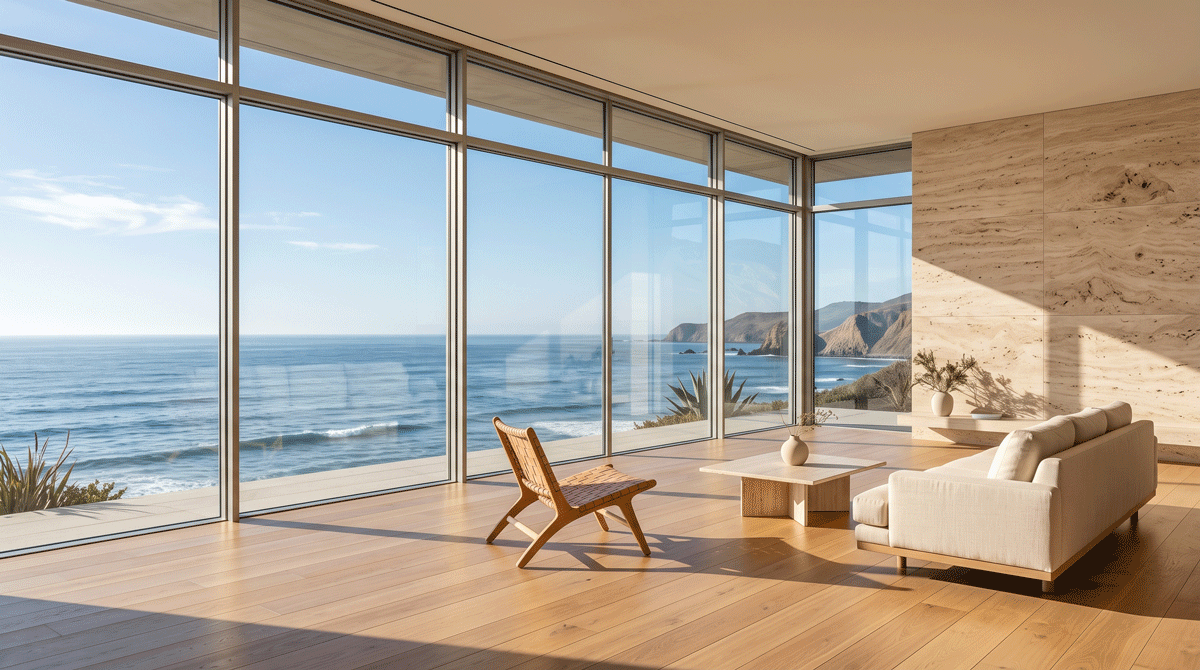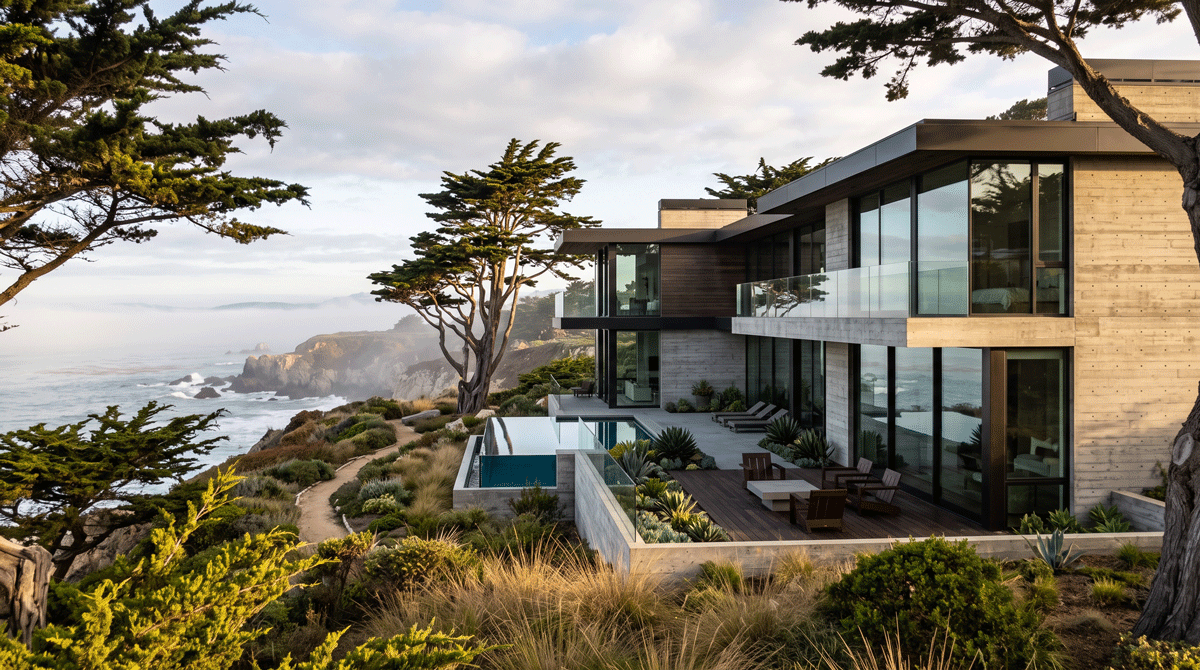
You found the lot, or you have owned the home for years, and you are ready to build. Then someone mentions the words that stop projects cold: “You will need a Coastal Development Permit.” Suddenly the path forward feels like a maze of agencies, hearings, and rules nobody fully explained.
If you are building or remodeling in Pebble Beach, that fear is understandable, but it does not have to derail you. The permitting process here is demanding, not impossible. Get it right and your project moves. Get it wrong and you lose months to revision cycles you never saw coming.
This guide walks you through exactly when a Coastal Development Permit applies in Pebble Beach, how the process works, and how to keep it from stalling your build.
What Is a Coastal Development Permit?
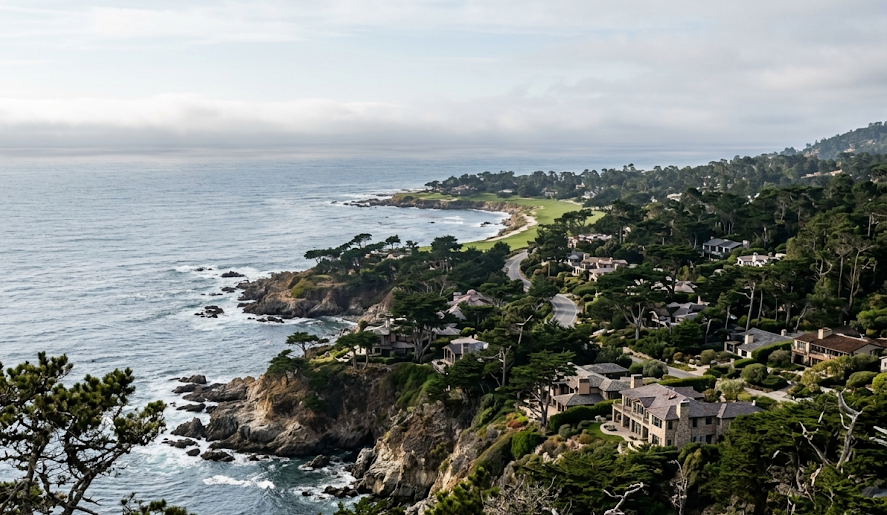
A Coastal Development Permit (CDP) is an approval required for most construction within California’s Coastal Zone a protected strip of land along the state’s coastline established under the California Coastal Act.
The goal is to protect public access, scenic views, and sensitive coastal habitat. In practice, it means an extra layer of review on top of your standard building permit. For a Pebble Beach homeowner, the CDP is often the difference between a smooth timeline and a frustrating one, simply because so few people understand when it applies and what it demands.
Here is the part most homeowners miss: in Monterey County, you may not be dealing with the state Coastal Commission directly at all.
Who Actually Issues Your Permit in Monterey County
Because the County of Monterey has a Local Coastal Program certified by the California Coastal Commission, the County itself is authorized to issue most Coastal Permits. Your application typically goes through the County’s Department of Housing and Community Development, not Sacramento.
That is good news. It means a builder who knows the local planning department and its standards can guide your project far more efficiently than one navigating an unfamiliar state process. It also means certain projects can still be appealed to the state Coastal Commission, which is exactly why preparation matters.
In Pebble Beach, there is a second layer that runs alongside the CDP: the Pebble Beach Architectural Review Board (ARB). The ARB reviews your design against the Pebble Beach Company’s Residential Guidelines. You are effectively satisfying two sets of standards, and the smoothest projects plan for both from the start. We cover the ARB in depth on our Pebble Beach custom home builder page.
Do You Actually Need a Coastal Permit in Pebble Beach?
This is the question that matters most, and the honest answer is: more often than you would expect.
If your property sits anywhere near the Pebble Beach shoreline — even several blocks inland — it may fall within the Coastal Zone. Any project in that zone that requires a building permit gets reviewed by Coastal Planning staff to determine whether a CDP is required.
A CDP is commonly triggered by:
- New home construction within the Coastal Zone
- Additions that increase height, footprint, or bulk
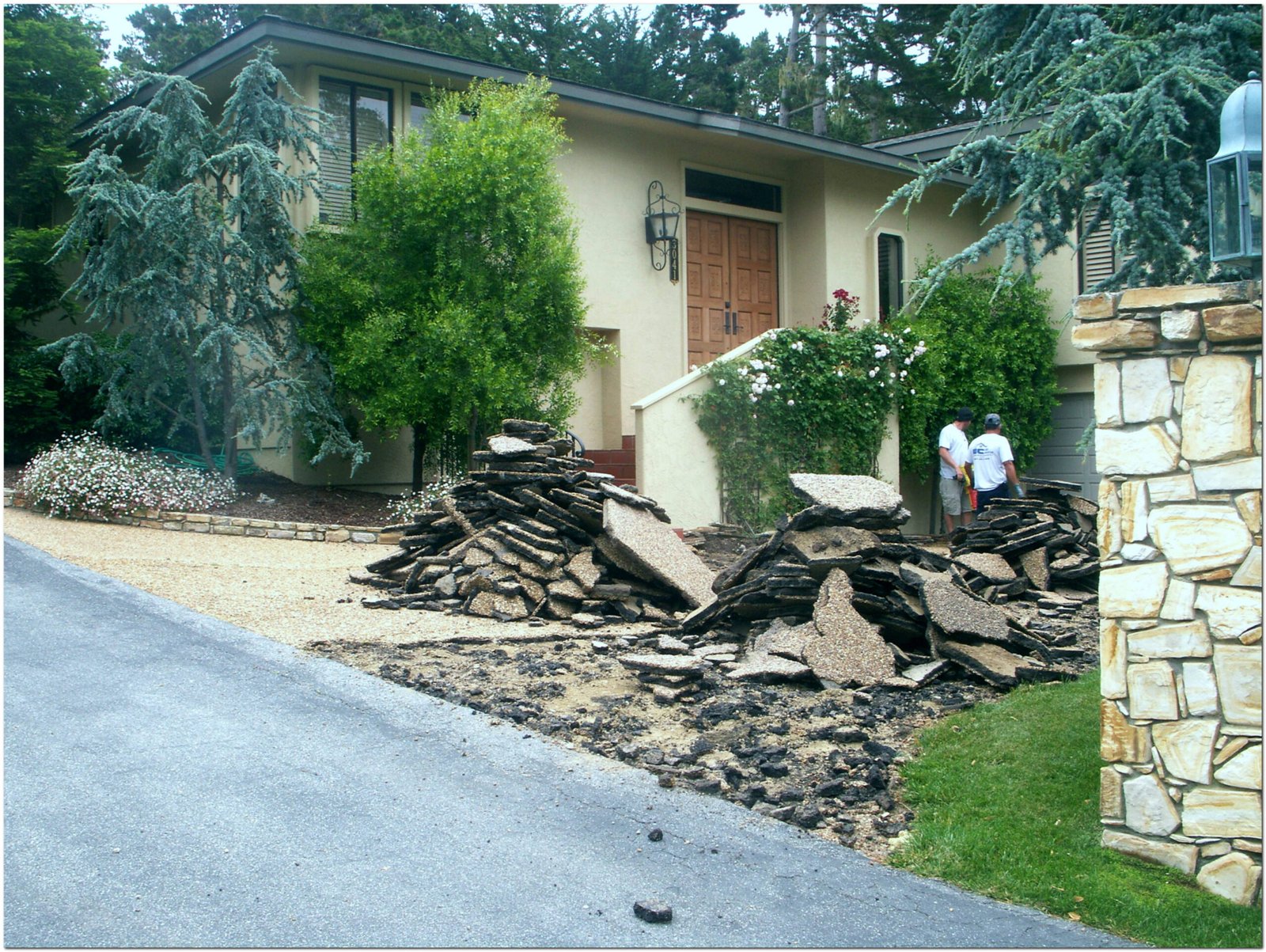
- Significant grading, retaining walls, or site alteration
- Removal of protected vegetation, including Monterey Pines
- Development immediately adjacent to coastal waters, beaches, or bluffs
Here is the trap many homeowners fall into: in plenty of Pebble Beach neighborhoods, even a modest remodel can require CDP review. Assuming your project is “too small to count” is one of the most expensive mistakes you can make, because discovering it mid-project means stopping work. Before you plan any remodel or renovation, confirm your Coastal Zone status first.
How the Coastal Permit Process Works, Step by Step
Knowing the path removes most of the fear. Here is the general process for a Pebble Beach project.
Step 1 — Determination. Coastal Planning staff review your building permit request and determine whether a CDP is required. Some minor projects qualify for exemptions or waivers.
Step 2 — Application. If a permit is required, you file an application with the Department of Planning and Building Services. You will submit a site plan, floor plans, and elevations, along with required copies and fees.
Step 3 — Notification. A notice of your request is mailed to property owners within 300 feet of your site. This neighbor-notification step is standard and worth anticipating, especially in a community where relationships matter.
Step 4 — Review and hearing. The Zoning Administrator or Planning Commission reviews the application. A public hearing determines whether your project is compatible with Coastal Zone standards and protects public health, safety, and welfare.
Step 5 — Decision and conditions. If approved, your permit may come with conditions you must meet. Certain projects can be appealed to the California Coastal Commission, which is why a clean, compliant submission is so valuable.
The single biggest factor in how long this takes is the quality of your application. Complete, compliant submissions move. Guesswork triggers revision cycles that add months.
The Real Villain: Permit Delays Caused by an Unprepared Builder
The enemy here is not the Coastal Commission or the County. They are doing their jobs. The enemy is the avoidable delay that comes from a builder who treats permitting as an afterthought.
A builder unfamiliar with Pebble Beach submits plans that do not match the ARB’s Residential Guidelines or the County’s coastal standards. Each rejection sends you back to redraw, resubmit, and wait. A project that should have broken ground in spring slips to fall. Carrying costs climb. Your contractor blames “the County,” and you are left paying for someone else’s inexperience.
The homeowners who avoid this do one thing differently: they hire a builder who anticipates the regulations instead of reacting to them.
How to Keep Permitting From Stalling Your Project
You can take the uncertainty out of this process. Three steps make the difference.
Confirm your Coastal Zone status before you design. Knowing on day one whether a CDP applies shapes your entire design and timeline. A feasibility audit answers this before you spend money on plans you may have to change.
Design to the standards from the start. When your plans are built around the ARB’s Residential Guidelines and the County’s coastal requirements from the first sketch, you eliminate most revision cycles. This is preparation, not luck.
Work with a builder who has done it here. Experience with the local planning departments and the Pebble Beach ARB is worth more than any shortcut. A builder fluent in this process coordinates submissions, manages the review, and keeps your project moving.
This is precisely why our complimentary Forest Feasibility Consult begins with your lot’s ARB requirements, Coastal Zone status, water entitlement availability, and tree-protection constraints. You get a clear, regulation-aware picture of what is achievable before design ever begins.
What It Feels Like When Permitting Goes Right
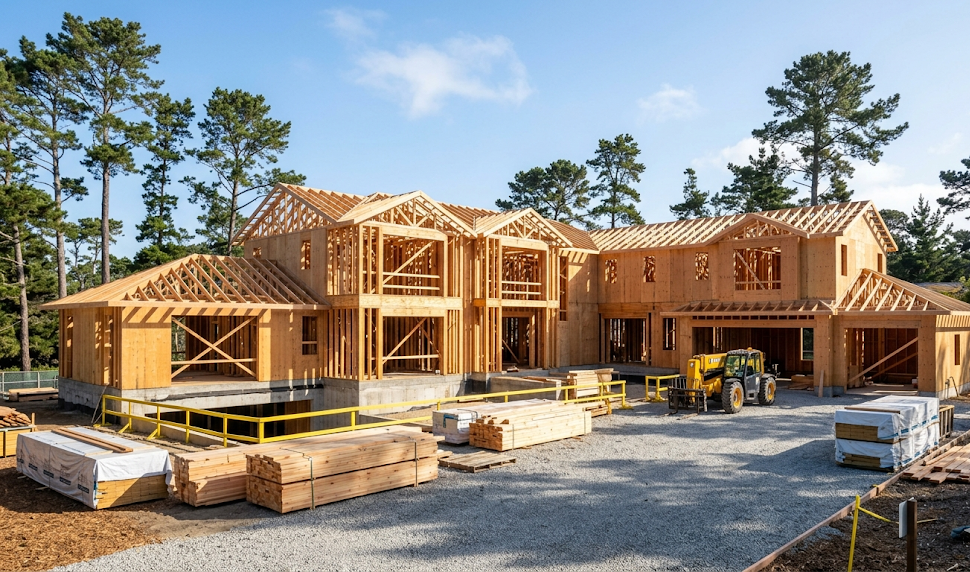
Picture the alternative to the maze. Your plans are designed to the standards from the start. Your application is complete. The neighbor notices go out, the hearing goes smoothly, and your permit is approved on the first pass. You break ground on schedule.
That is not a fantasy. It is the normal outcome when a project is planned by people who understand the Del Monte Forest. The permitting process becomes a series of steps you complete with confidence rather than a wall you keep running into.
Permitting timelines also shape your overall build schedule, which we break down in our guide on how long it takes to build a custom home on the Monterey Peninsula.
Frequently Asked Questions
Do I need a Coastal Development Permit to build in Pebble Beach? Often, yes. Much of Pebble Beach sits within California’s Coastal Zone, and most projects there that require a building permit are reviewed for a CDP. Even modest remodels can trigger review in some neighborhoods, so confirm your status before designing.
Who issues the Coastal Permit the state or the county? In Monterey County, the County issues most Coastal Permits because it has a Local Coastal Program certified by the California Coastal Commission. Certain projects can still be appealed to the state Commission.
How long does the Coastal Permit process take in Pebble Beach? It varies with project complexity and the completeness of your application. Clean, compliant submissions move efficiently; non-compliant plans trigger revision cycles that can add months. The ARB review runs alongside the CDP process.
Is the Pebble Beach ARB the same as the Coastal Commission? No. The ARB is the Pebble Beach Company’s Architectural Review Board, which reviews design against private Residential Guidelines. The CDP is a separate government approval under the Coastal Act. Most Forest projects must satisfy both.
What happens if I skip the permit? Building without a required Coastal Permit can lead to stop-work orders, fines, and mandatory remediation. It is far less costly to confirm requirements and build compliantly from the start.
Build With Confidence, Not Guesswork
Permitting in Pebble Beach rewards preparation and punishes guessing. You do not have to learn this process the hard way.
Skyview Builders is owner-operated by Stuart and Catherine Elder, with nearly 20 years guiding Peninsula projects through ARB approval and coastal review. Request your free Pebble Beach Feasibility Consult and start with a clear, regulation-aware roadmap for your build.