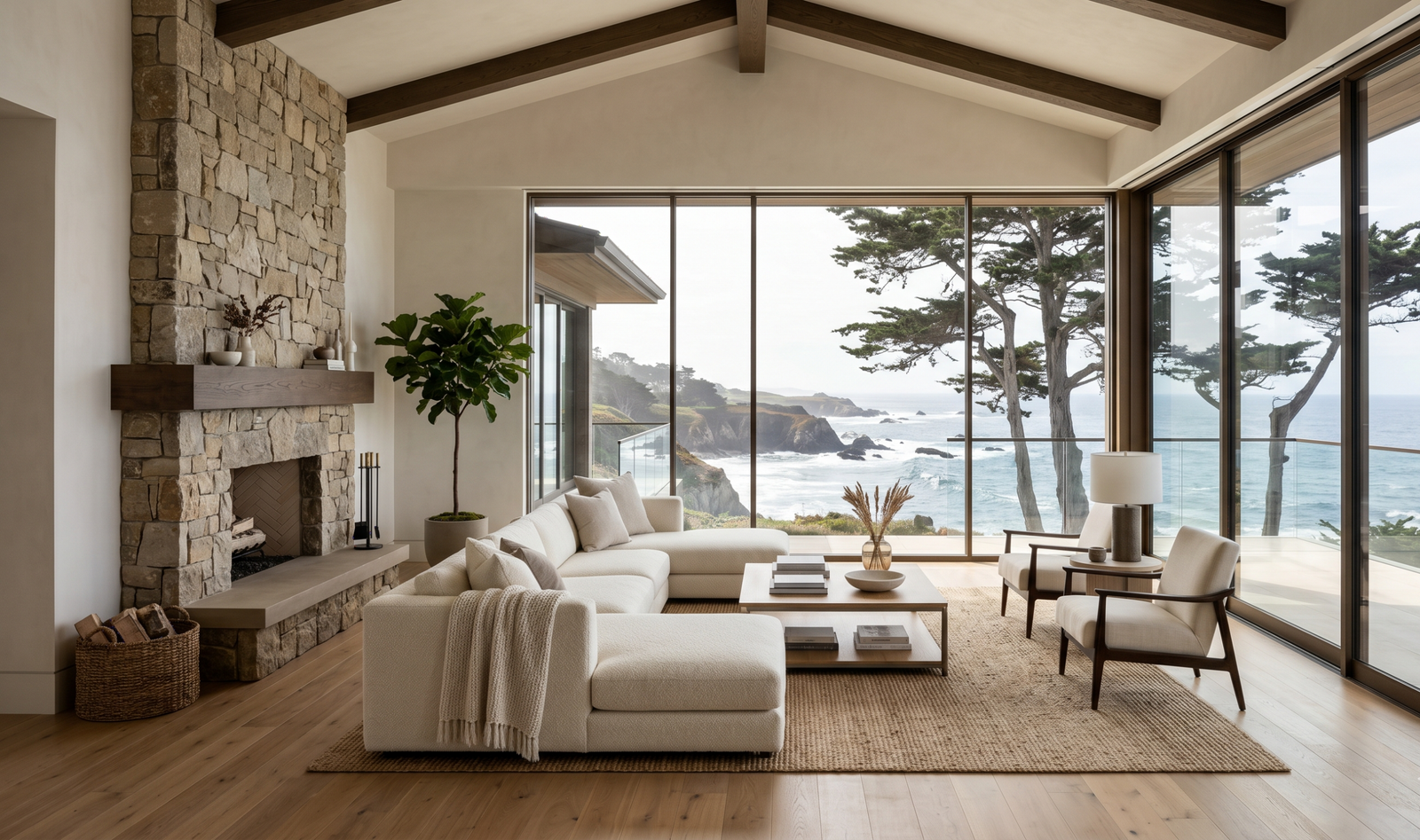
You’ve found your dream lot in Carmel-by-the-sea. Ocean views, coastal breezes, and the promise of a custom home built exactly to your vision. But before you break ground, you need to understand something critical: building custom new homes on the Monterey Peninsula isn’t the same as building inland. The salt air, moisture levels, and coastal winds require engineering decisions that standard builders often miss, and those oversights lead to premature material failure, costly callbacks, and finishes that corrode within years instead of decades.
Skyview Builders has spent nearly 20 years perfecting coastal construction throughout Carmel-by-the-Sea, Pebble Beach, and Big Sur. We’ve seen what happens when inland contractors underestimate the peninsula’s unique demands. This guide explains the coastal-specific engineering your custom build requires and why choosing a builder with Monterey Peninsula expertise protects your investment from day one.
Salt Air Corrosion and Material Selection for Carmel Custom Homes
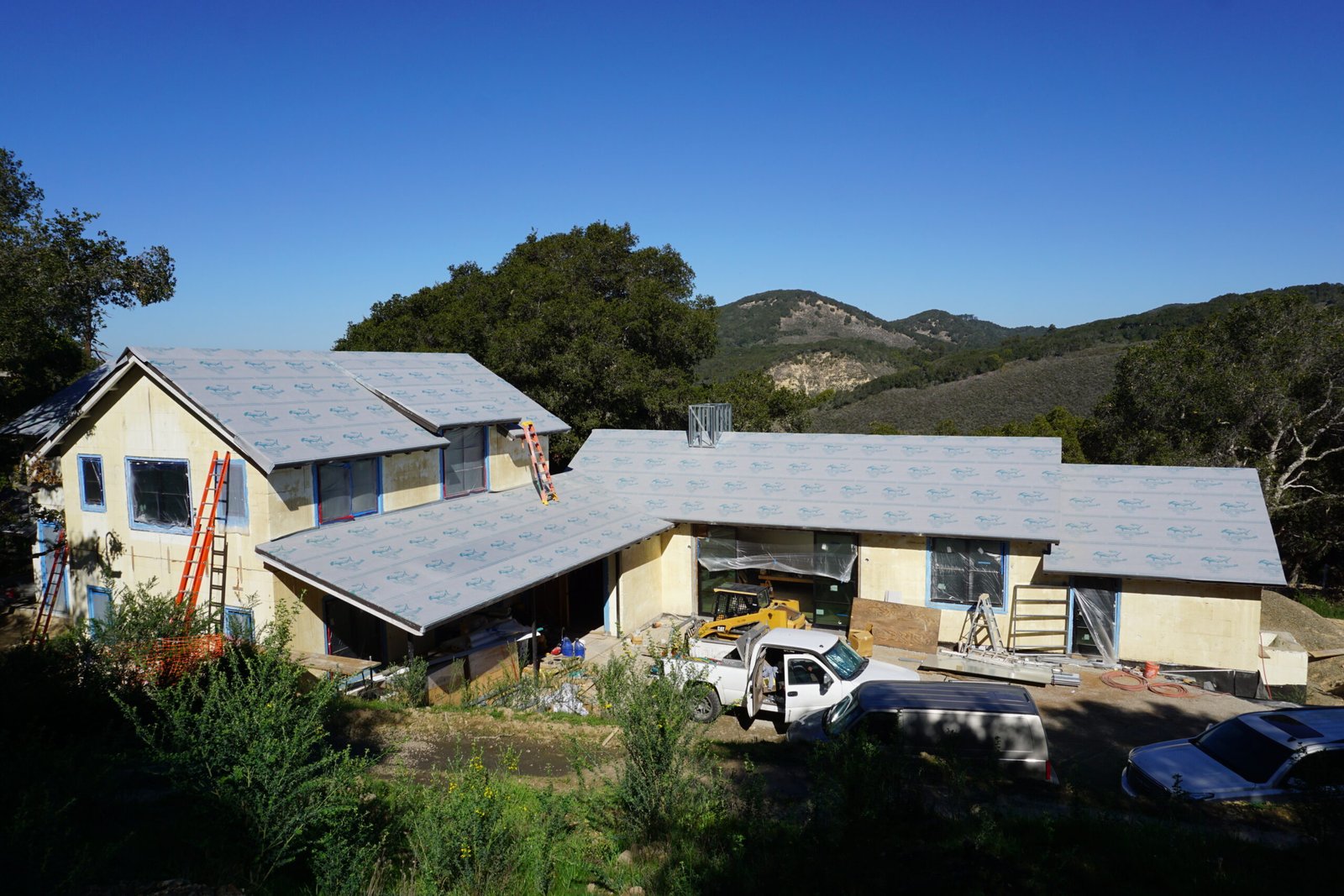
The Monterey Peninsula’s salt-laden air accelerates corrosion on standard building materials. Within three to five years, untreated metal fasteners, flashing, and hardware show rust. Within a decade, structural components can weaken.
Why Standard Materials Fail on the Coast
Inland builders use galvanized steel fasteners, aluminum flashing, and standard-grade exterior hardware because those materials perform well away from the ocean. On the coast, salt particles suspended in fog and mist settle on every surface. Moisture doesn’t evaporate as quickly in our temperate climate, so metal stays wet longer. Galvanic corrosion begins almost immediately.
Skyview specifies stainless steel fasteners, marine-grade flashing, and corrosion-resistant hardware on every Carmel-by-the-Sea project. These upgrades add to the material cost upfront, but they prevent the callbacks we’ve seen on homes built by contractors unfamiliar with coastal conditions.
Exterior Finishes That Withstand Coastal Exposure
Paint fails faster near the ocean. Standard latex exterior paint begins to chalk, peel, and blister within five years when exposed to salt and UV combined. We specify elastomeric coatings and acrylic systems designed for marine environments. For siding, we prioritize fiber cement, stucco with proper waterproofing behind it, or naturally rot-resistant woods like redwood and cedar that have proven performance along the California coast.
We’ve worked with homeowners who remodeled a Pebble Beach property only to watch their new trim corrode within two years because the previous contractor used standard pine with a single coat of primer. Coastal construction requires materials that match the environment, not just the architectural style.
Advanced Waterproofing Systems That Exceed California Building Code
California building code sets minimum standards. On the Monterey Peninsula, minimum isn’t enough. Coastal fog creates moisture intrusion scenarios that standard vapor barriers and flashing details don’t address.
Multi-Layer Drainage Planes and Moisture Management
We install drainage planes behind every exterior cladding system. This means a weather-resistive barrier, a ventilated air gap, and a secondary drainage layer that channels any moisture that breaches the first line of defense back to the exterior before it reaches the sheathing.
Most builders rely on a single housewrap layer. That works in dry climates. In Carmel-by-the-Sea, where morning fog can deposit measurable moisture on walls, a single barrier traps water between the cladding and the framing. Over time, that leads to rot, mold, and structural damage that isn’t visible until you open the wall.
Our standard detail includes a fluid-applied membrane at all penetrations, transitions, and vulnerable zones (windows, doors, deck connections), followed by a mechanically fastened drainage mat and a rainscreen gap before the finish cladding goes on. This system has prevented moisture callbacks on every custom home we’ve delivered in the past two decades.
Foundation Waterproofing for Coastal Soils
Coastal soils retain moisture differently than inland clay or sandy loam. The Monterey Peninsula’s combination of marine clay, decomposed granite, and seasonal groundwater movement means your foundation faces hydrostatic pressure even in dry months.
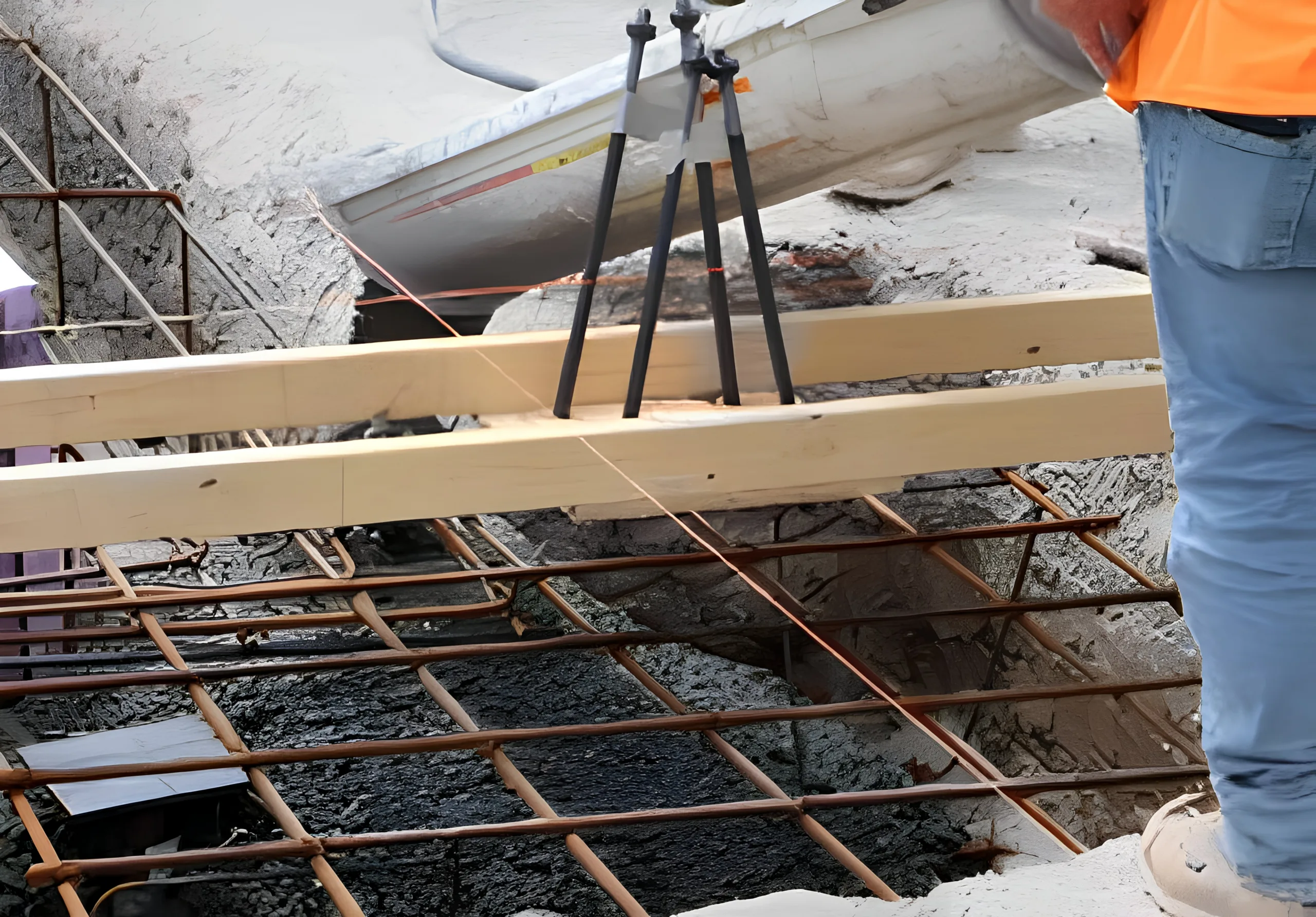
We apply rubberized foundation waterproofing, install perimeter drainage systems with gravel backfill, and specify vapor barriers under slabs that exceed the code-minimum thickness. We also detail foundation vents and crawl space encapsulation systems that prevent moisture accumulation in subfloor areas, a common problem in older Carmel homes that leads to floor joist rot and subfloor failure.
Foundation Raising projects give us an up-close view of what happens when waterproofing fails. We’ve lifted homes where the original foundation had no exterior waterproofing at all, just a coat of tar that degraded within a decade. Modern custom new homes require engineered waterproofing systems, not shortcuts.
Window and Door Flashing Details
Every window and door is a potential water entry point. Standard flashing relies on overlapping layers of felt paper or housewrap, which works in moderate climates. Coastal wind-driven rain pushes water upward and sideways, not just down.
We use pan flashing under every sill, head flashing integrated with the drainage plane above every opening, and jamb flashing that laps correctly with the weather barrier. Each window gets a sealant bead at the interior perimeter and a secondary drainage path at the exterior. We’ve never had a window leak callback on a Skyview project because we treat every opening as a through-wall penetration that must be detailed like a roof transition.
Wind Load Engineering and Structural Design for Coastal Exposure
The Monterey Peninsula experiences sustained coastal winds and occasional winter storms with gusts exceeding 60 miles per hour. Carmel-by-the-Sea sits in a wind exposure category that requires structural engineering beyond what inland projects need.
Uplift Resistance and Roof Fastening
Wind doesn’t just push on walls. It creates uplift on roofs, especially on homes near the ocean or on ridgelines. Standard roof-to-wall connections use toe-nailed rafters or basic hurricane clips. Coastal projects require engineered connectors rated for the wind zone, with fastener schedules that double or triple the inland standard.
We work with structural engineers who calculate uplift loads specific to your site. If your lot sits on a coastal bluff or ridgetop, we upgrade to straps, hold-downs, and anchored shear walls that keep your roof attached during a winter storm. According to the International Building Code wind load provisions, exposure category and topography can increase design wind speed by 20 percent or more, and those loads translate directly into connection requirements.
Shear Wall and Lateral Bracing Requirements
Coastal wind creates lateral loads on walls. In seismically active areas like Monterey County, your custom home must resist both wind and earthquake forces. We design shear walls with structural sheathing, properly spaced fasteners, and hold-down anchors at each end. We also brace gable ends, rake overhangs, and any cantilevered sections that extend beyond the main structure.
We’ve consulted on homes where the original builder skipped the engineered shear schedule and relied on prescriptive code minimums. Those homes experienced racking, cracked drywall, and door misalignment within the first year. Coastal custom new homes require calculations, not guesswork.
Foundation Design for Coastal Soils and Seismic Loads
The combination of marine clay, moisture, and seismic activity means your foundation must be engineered for expansive soils and lateral movement. We conduct geotechnical investigations on every Carmel-by-the-Sea site, then design foundations with reinforced footings, tie-beams, and post-tensioned slabs where soil reports indicate expansive clay or poor bearing capacity.
Foundation design affects everything above it. An under-engineered foundation leads to settling, cracking, and structural movement that no amount of finish carpentry can hide. Skyview’s approach starts below grade, where the real engineering happens.
HVAC, Insulation, and Energy Performance in a Coastal Climate
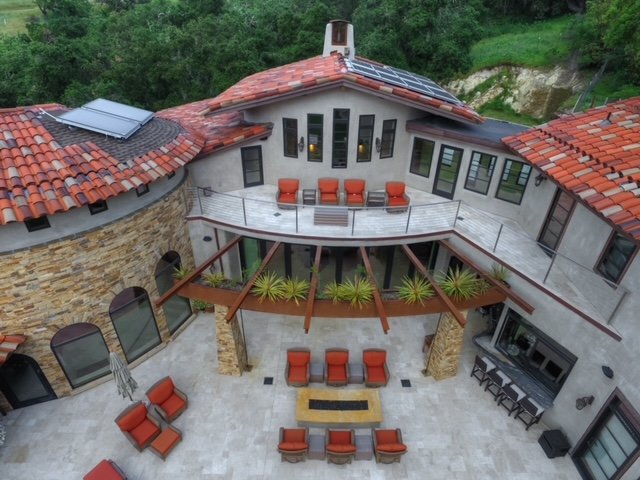
Carmel-by-the-Sea’s mild coastal climate doesn’t require the extreme heating or cooling capacity that inland California demands, but it does require systems designed for humidity, salt exposure, and year-round temperature moderation.
Insulation and Air Sealing for Coastal Moisture Control
Standard fiberglass batt insulation performs poorly in high-humidity environments. If moisture infiltrates the wall cavity, fiberglass compresses, loses R-value, and holds water against the framing. We specify closed-cell spray foam or mineral wool in coastal assemblies because both materials resist moisture absorption and maintain insulation performance even when damp.
Air sealing matters as much as insulation. Coastal fog carries moisture that infiltrates through unsealed gaps at top plates, rim joists, and penetrations. We use fluid-applied air barriers, spray foam at transitions, and gaskets at every sheathing seam to create a continuous thermal and moisture boundary.
HVAC Systems Designed for Salt Air and Humidity
Standard HVAC condensers corrode quickly in salt air. We specify coil coatings, stainless steel fasteners, and corrosion-resistant cabinets on every outdoor unit. We also design duct systems with sealed joints and insulated flex duct to prevent condensation inside ducts, a common problem in coastal climates where temperature differentials between conditioned air and ambient humidity create moisture inside the duct run.
Your HVAC system should include humidity control, not just temperature control. We install whole-house dehumidifiers or HVAC systems with variable-speed compressors that manage moisture loads. This prevents the musty odors, mold growth, and finish deterioration that plague coastal homes with undersized or poorly designed mechanical systems.
Windows and Thermal Performance
Coastal Carmel doesn’t experience the temperature extremes that justify triple-pane windows, but it does require windows with low air infiltration ratings and frames that resist corrosion. We install vinyl, fiberglass, or aluminum-clad wood windows with marine-grade hardware and multi-point locking systems that seal tightly against wind-driven moisture.
Window placement also affects energy performance and durability. South and west-facing glass increases solar heat gain and UV exposure, which accelerates finish degradation on floors and furnishings. We work with clients during custom new homes design to balance views, daylighting, and long-term durability.
Permitting, Code Compliance, and Coastal Development Standards
Building in Carmel-by-the-Sea, Pebble Beach, or Big Sur means navigating permit requirements that go beyond standard California building code. Coastal development permits, design review boards, and environmental impact assessments add layers of approval that inland projects never encounter.
Coastal Commission and Local Design Review
If your lot sits within the coastal zone, you’ll need Coastal Development Permit approval in addition to your building permit. The California Coastal Commission reviews projects for environmental impact, public access, and consistency with the Local Coastal Program. Design review boards in Carmel-by-the-Sea evaluate architectural style, mass, scale, and neighborhood compatibility.
Skyview Builders has guided dozens of clients through this process. We know which design elements trigger extended review, how to document environmental mitigation, and how to present your project in a way that aligns with local priorities. We’ve never had a permit application rejected because we understand what the coastal agencies require before we submit drawings.
Fire-Resistant Construction in Wildfire-Prone Areas
Parts of Carmel Valley and Big Sur fall within wildfire hazard zones. If your property sits in a WUI (Wildland-Urban Interface) area, you’ll need to meet ignition-resistant construction standards: Class A roof assemblies, tempered or multi-pane glass in windows, non-combustible siding or heavy timber with approved fire-retardant treatment, and defensible space around the structure.
We integrate these requirements into the design from day one. Waiting until plan check to address fire ratings delays your project and often forces costly redesigns. Coastal custom new homes require a builder who knows the local fire district’s expectations and builds compliance into the spec.
Setbacks, Height Limits, and Lot Coverage
Carmel-by-the-Sea has strict setback and height limits that vary by zoning district. Coastal bluff properties face additional setbacks to protect geologic stability and public views. We review zoning before you purchase a lot, so you know exactly what you can build before you commit.
We’ve worked with clients who bought oceanfront property assuming they could build a two-story home, only to discover that height limits and view corridor protections restricted them to a single story with a low-slope roof. Site analysis prevents those surprises.
Why Coastal Construction Experience Matters More Than Portfolio Size
You can hire a builder with a beautiful portfolio who’s never worked on the Monterey Peninsula, or you can hire a builder who understands coastal engineering and has spent two decades solving the problems that salt air, moisture, and wind create. The difference shows up five, ten, and twenty years after move-in.
The Cost of Inexperience
We’ve consulted on homes built by inland contractors who didn’t know to upgrade fasteners, didn’t install drainage planes, and didn’t detail flashing correctly. Those homes required five-figure remediation within a decade: corroded framing connectors, rotted sheathing, and rusted window frames that had to be replaced.
Coastal construction isn’t more expensive because builders want to upsell you. It’s more expensive because the materials, details, and labor required to build a home that lasts on the coast exceed what works inland. Cutting corners on corrosion resistance or waterproofing saves money on the front end and costs multiples of that savings when the callbacks start.
Skyview’s Coastal Construction Track Record
Skyview Builders has delivered custom new homes, projects, and ADUs (accessory dwelling units) throughout Carmel-by-the-Sea, Pebble Beach, Pacific Grove, and Big Sur for nearly 20 years. We’ve never had a moisture intrusion callback. We’ve never had a corrosion-related failure. And we’ve never had a client surprised by hidden costs during construction because we scope coastal requirements into the budget before we break ground.
Our process starts with a site-specific engineering evaluation. We review soil reports, wind exposure, drainage patterns, and coastal permit requirements before we design a single detail. Then we build with materials and systems that match the Monterey Peninsula’s unique demands.
Real-Time Transparency with JobTread Technology
One of the biggest anxieties homeowners face during a custom build is wondering what’s happening on site between meetings. We use JobTread project management software to give you real-time visibility into every phase. You can log in from anywhere, see progress photos, review the schedule, and track budget line items as the project moves forward.
This transparency matters even more on coastal projects, where weather delays, permit timelines, and material lead times can shift the schedule. You’re never left wondering. You see exactly what we see, exactly when we see it.
Frequently Asked Questions
What makes coastal construction different from inland building?
Coastal construction must account for salt air corrosion, higher moisture levels, wind-driven rain, and prescriptive waterproofing that exceeds standard building code. Materials that perform well inland (galvanized fasteners, standard flashing, single-layer vapor barriers) fail prematurely on the coast. Builders experienced with the Monterey Peninsula specify stainless steel, marine-grade components, multi-layer drainage systems, and engineered wind resistance.
How much does coastal-specific engineering add to a custom home budget?
Coastal upgrades typically add 8 to 12 percent to the material and labor cost compared to an equivalent inland project. That includes corrosion-resistant fasteners and hardware, advanced waterproofing systems, engineered wind connections, and moisture-management details. These upgrades prevent costly callbacks and extend the lifespan of finishes and structural components by decades, making them a net savings over the life of the home.
Do I need a Coastal Development Permit for my Carmel lot?
If your property sits within the coastal zone boundary (which includes most of Carmel-by-the-Sea, Pebble Beach, and Big Sur), you’ll need Coastal Development Permit approval in addition to your standard building permit. The permit process reviews environmental impact, public access, and consistency with local coastal plans. Skyview Builders manages this process for every coastal project and has never had a permit application denied.
How long does a custom coastal home take to build in Carmel-by-the-Sea?
Permitting and design typically take four to six months, depending on Coastal Commission review and design board approvals. Construction timelines for custom new homes range from 10 to 18 months, depending on size, complexity, and site conditions. We provide a detailed schedule after the design phase, with milestones tracked in real time through JobTread so you’re never guessing where the project stands.
Your Carmel-by-the-Sea custom home deserves more than a builder who treats coastal construction like an inland project with an ocean view. It deserves engineering that accounts for salt, moisture, wind, and the unique soil and seismic conditions of the Monterey Peninsula. It deserves materials that resist corrosion and waterproofing systems that prevent callbacks a decade from now. And it deserves a builder who’s spent nearly 20 years perfecting coastal construction on the exact stretch of coastline where you’re building.
Skyview Builders brings that expertise to every project. Stuart and the team have delivered dozens of custom homes, whole-house renovations, and accessory dwelling units throughout Carmel-by-the-Sea, Pebble Beach, and Big Sur, and we’ve never had a moisture or corrosion failure. We specify the right materials, install drainage planes and flashing details that exceed code, and provide real-time project visibility through JobTread so you’re never left wondering what’s happening on site.
Schedule a coastal building consultation with Stuart at Skyview Builders. We’ll walk your lot, review site-specific engineering requirements, and explain exactly what your custom home needs to perform beautifully for generations. Call 831-620-1905 or visit Contact to get started.