Introduction
Walk through the historic neighborhoods of Pacific Grove or the “Golden Rectangle” in Carmel-by-the-Sea, and you will see undeniable charm. These cottages, built in the 1920s and 30s, are the architectural soul of the Monterey Peninsula.
But if you look closely at the ground level, you might see a different story.
You might see horizontal cracks running along the stucco. You might notice the front porch sagging slightly to the left. If you were to crawl underneath, you might find concrete that is crumbling into dust because it was mixed using salty beach sand nearly a century ago.
For many homeowners, the foundation is “out of sight, out of mind” until a door stops closing or a window cracks.
At Skyview Builders, we specialize in the heavy lifting literally. Foundation Raising and replacement is one of our most technical and high-value services. It is the only way to truly save a failing vintage home. But more than just a repair, it is a strategic opportunity to unlock massive value from your property.
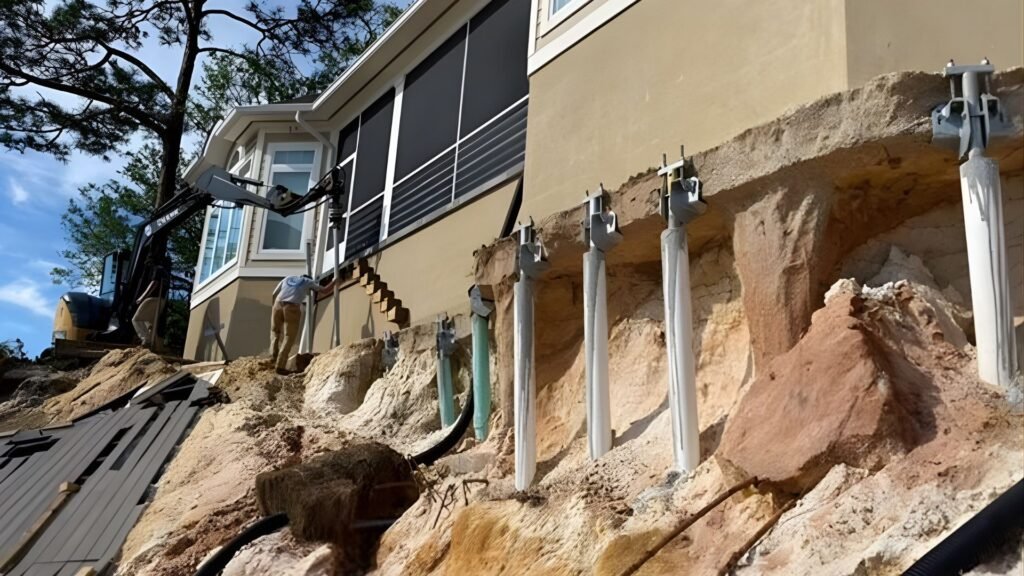
Let’s descend into the crawlspace and discuss how fixing your foundation can elevate your entire home.
Key Takeaways:
- The “Salt” Problem: Many older local foundations were built with unreinforced concrete that degrades over time due to coastal moisture.
- The Seismic Reality: California is earthquake country; an unbolted house is a major liability that simple patching cannot fix.
- The “Lift” Opportunity: Raising a house allows you to build a new first story underneath, doubling your square footage without changing your footprint.
- Expert Engineering: This process requires specialized hydraulic equipment and “professional know-how” that goes far beyond standard general contracting.
The Invisible Crisis: Why Coastal Foundations Fail
Why do homes in Monterey seem to struggle more with foundations than homes inland? The answer lies in Geology and History.
1. The Soil Composition
Much of our peninsula sits on sandy, shifting soil. In areas closer to the water, the water table fluctuates with the tide. This constant movement puts hydrostatic pressure on concrete, causing it to heave and settle unevenly over decades.
2. The “Beach Sand” Mix
In the early 20th century, builders often used local beach sand to mix their concrete. While convenient, the salt content in that sand acts as a slow poison to the concrete. Over 80 years, it breaks down the chemical bonds, leading to “spalling” where the face of the concrete flakes off and eventually, structural disintegration.
3. Lack of Steel
Modern foundations are reinforced with steel rebar. Most foundations built before 1950 have zero steel in them. They are essentially piles of hard rocks. When the ground shakes (seismic activity), unreinforced concrete snaps rather than flexes.
If you own an older home, you aren’t just dealing with “settling.” You are likely living on a ticking clock.
The Solution: Foundation Raising
When a foundation is too far gone, you can’t just patch the cracks. You have to replace the system.
This brings us to Foundation Raising.
This is a spectacular process where we sever the house from its old, crumbling base and physically lift it into the air using a unified hydraulic jacking system. The house hovers on “cribbing” (stacks of heavy timbers) while we work underneath.
The Skyview Process:
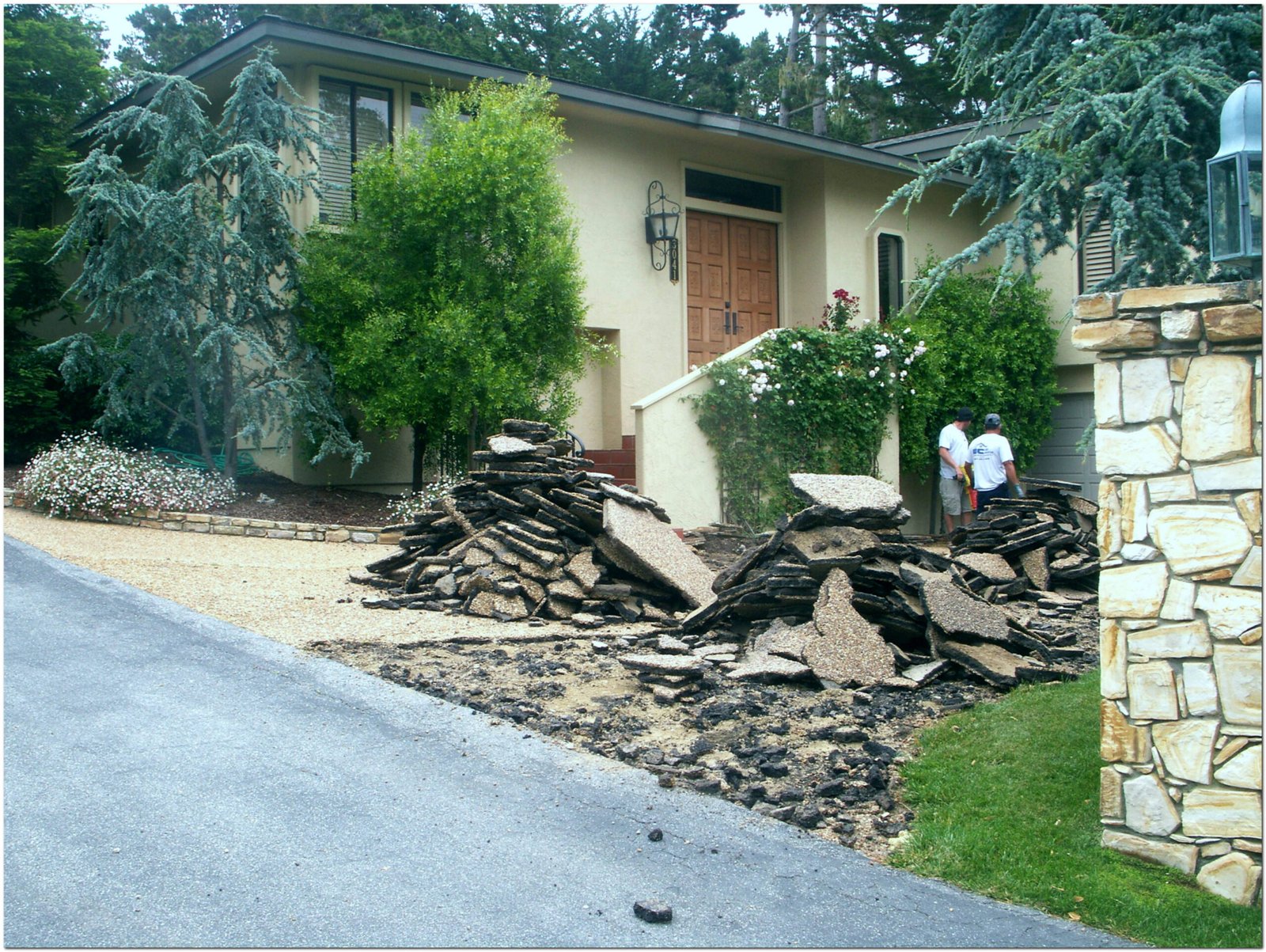
- Excavation & Demolition: We remove the old, failed concrete.
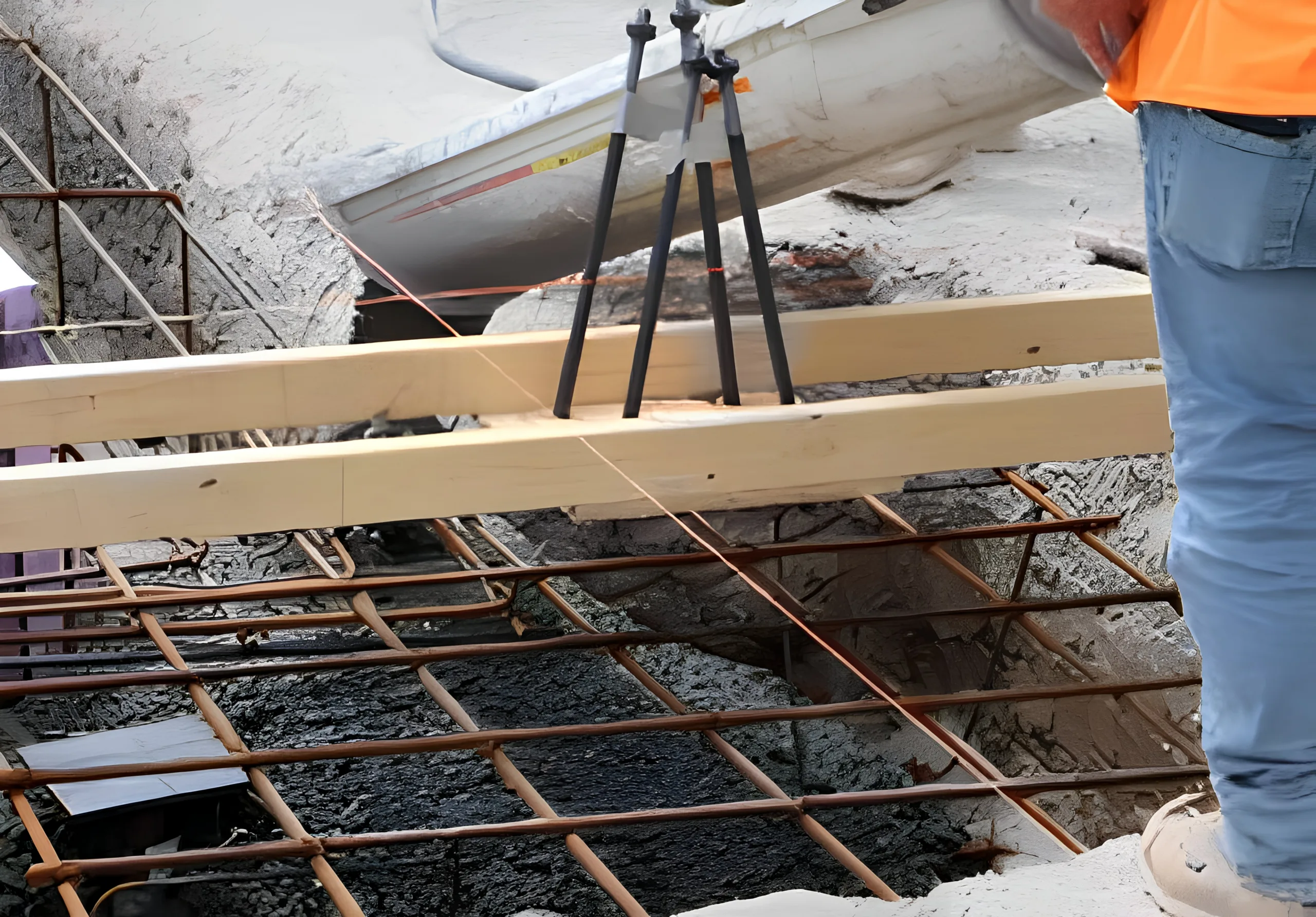
- New Footings: We pour new, deep reinforced footings that meet modern seismic codes.
- The Pour: We construct new stem walls or a full basement level using high-strength concrete and rebar.
- The Set Down: We gently lower your historic home onto its new, indestructible base and bolt it down.
We utilize “industry-best practices” to ensure that during the lift, your drywall doesn’t crack and your windows don’t break. It is precision engineering at its finest.
The Strategic Pivot: Going Up to Double Down
While safety is a great motivator, Square Footage is an even better one.
In towns like Carmel and Pacific Grove, building “out” is often impossible. Small lots and strict setbacks mean your backyard is off-limits for expansion.
But you can almost always build under.
By lifting the house 8 to 10 feet instead of just a few inches, we can create an entirely new ground floor.
- The Garage Solution: Many vintage homes lack garages. We can build a garage at street level and place the house on top.
- The ADU/Rental: We can construct a luxury apartment underneath the main house for rental income or family use.
- The Living Expansion: That cramped cottage can become a spacious 4-bedroom estate by turning the original floor into the bedrooms and the new lower level into a modern, open-concept kitchen and living area.
This approach creates “innovation” out of necessity. You keep the charm of the original roofline and facade, but you gain the utility of a modern, two-story home.
Seismic Retrofitting: The “Big One” Insurance
We live in Seismic Zone 4. It is not a matter of if the ground will shake, but when.
The most dangerous type of failure in older homes is “cripple wall collapse.” This happens when the short wood walls between the foundation and the floor joists buckle, causing the house to slide off its foundation.
When Skyview Builders performs a foundation replacement or raise, Seismic Retrofitting is baked into the cake.
- Shear Walls: We install plywood bracing that resists side-to-side motion.
- Anchor Bolts: We bolt the wood framing directly to the new concrete.
- Hold-Downs: We install heavy steel brackets that prevent the house from lifting up during vertical jolts.
This level of “reliability” gives you peace of mind. You know that when the next earthquake hits, your home is engineered to ride it out, protecting your family and your investment.
Why This Is Not a Job for the “Handyman”
We cannot stress this enough: Do not cut corners on structural work.
We have seen nightmares where inexperienced contractors tried to lift a house one corner at a time, racking the frame and shattering every window. We have seen “repairs” where someone just poured new concrete over old, rotting wood.
Foundation raising requires:
- Geotechnical Engineers: To analyze the soil.
- Structural Engineers: To calculate the loads.
- Hydraulic Specialists: To manage the lift.
Skyview Builders specializes in these complex projects. We thrive on technical difficulty. We have the “professional know-how” to manage the permits, the heavy equipment, and the safety protocols required to suspend a 50-ton house in the air.
The Investment Case
Is foundation raising expensive? Yes. It is a major construction project.
But consider the alternative. If your foundation fails, your property value drops to land value only. You lose the asset of the home. Conversely, if you lift the home and add 1,000 square feet of living space underneath, you have likely increased the value of the property by significantly more than the cost of construction, especially in the high-value/square-foot market of the Monterey Peninsula.
It is a capital improvement that pays dividends in both safety and equity.
Your Next Step
Do you have sloping floors? Do you see cracks in your stucco? Or are you simply desperate for more space but love your location?
The answer might be right beneath your feet.
[Schedule Your Structural Feasibility Consult with Skyview Builders]
We will crawl the sub-area (so you don’t have to), assess the health of your concrete, and give you an honest roadmap for saving and expanding your home.
Frequently Asked Questions
How high can you lift a house?
Technically, we can lift it as high as needed, but local zoning height restrictions usually dictate the limit. In most cases, we lift enough to create a standard 8-foot or 9-foot ceiling for a new lower level.
Can I live in the house while it is being raised?
No. All utilities (water, sewer, gas, electric) must be disconnected during the lift. It is structurally safe, but not habitable. We recommend relocating during the heavy construction phase.
Will lifting the house crack my drywall?
Minor cosmetic hairline cracks are possible as the house “relaxes” into its new position, but our unified hydraulic system is designed to lift the structure perfectly to minimize stress. We repair any cosmetic damage as part of the finish work.
Does foundation work require a permit?
Absolutely. It requires extensive engineering and permitting from the city or county. Skyview manages this entire process, including the submission of structural calculations and soil reports.
How long does the process take?
The lift itself happens in a day or two. However, the preparation (excavation, cribbing) and the new construction (pouring concrete, framing, curing) usually take 3 to 5 months for the structural phase.
About the Author
The Skyview Builders Editorial Team
Skyview Builders is the authority on complex structural construction in Monterey County. Based in Monterey, CA, we pride ourselves on being “Craftsmen Builders” who tackle the projects others can’t.
Led by Stuart and Catherine, our team brings specialized expertise in Foundation Raising, seismic retrofitting, and custom home construction. We utilize “green products” and modern engineering to ensure that the historic homes of Carmel and Pacific Grove remain safe and standing for the next century. We are your partners in building a safer, stronger legacy.Contact Us: (831) 620-1905 info@skyviewbuildersca.com